The Daily Chaos of Manual Property Management
I know the exhausting feeling of waking up on the first of the month and wondering how many rent checks will actually arrive on time. You spent your hard-earned money to buy a rental property, hoping it would bring you quiet passive income. However, you find yourself driving across town to collect paper checks, chasing down tenants, and worrying about midnight phone calls.
This stressful reality is incredibly common for small-scale landlords across the country. Many independent property owners spend their free evenings typing numbers into messy spreadsheets and searching through piles of paper leases.
- You feel a sudden wave of panic when a tenant messages you about a broken heater in the middle of a cold winter night.
- You waste hours manually writing out rent receipts and matching them to your bank statements.
- You worry that you might lose a key piece of paper that proves a tenant paid their security deposit.
- You spend your weekends arguing with contractors about repair costs instead of relaxing with your family.
Why is finding a simple, affordable solution so difficult for independent rental owners? Let us look at the real reasons why landlords get stuck in this manual loop:
- Overpriced Premium Tools: Most property systems are built for massive corporations with thousands of units, charging high monthly fees that eat your profits.
- Outdated Excel Templates: Spreadsheets are easy to break and do not offer any real-time tracking for actual payment dates.
- Information Overload: The internet is filled with confusing advice pointing you toward expensive, complicated setups you do not need.
- Scattered Communication Channels: Texts, emails, phone calls, and paper letters make it impossible to keep tenant requests organized.
This constant administrative noise does more than just steal your time. It slowly ruins your peace of mind and makes you regret entering the rental market in the first place.
- You feel constant anxiety every time a lease is about to expire because you dread the paperwork.
- You hesitate to buy more investment properties because the thought of managing more units feels completely overwhelming.
- Your confidence as a business owner drops because you feel disorganized during tax season.
- Your relationship with your tenants becomes tense because maintenance requests get lost in your messy inbox.
Let us be completely honest with each other. You do not need a degree in real estate to run a successful rental business, but you do need a smart, automated assistant that keeps your properties organized.
The Simple Blueprint to Automating Your Rental Properties
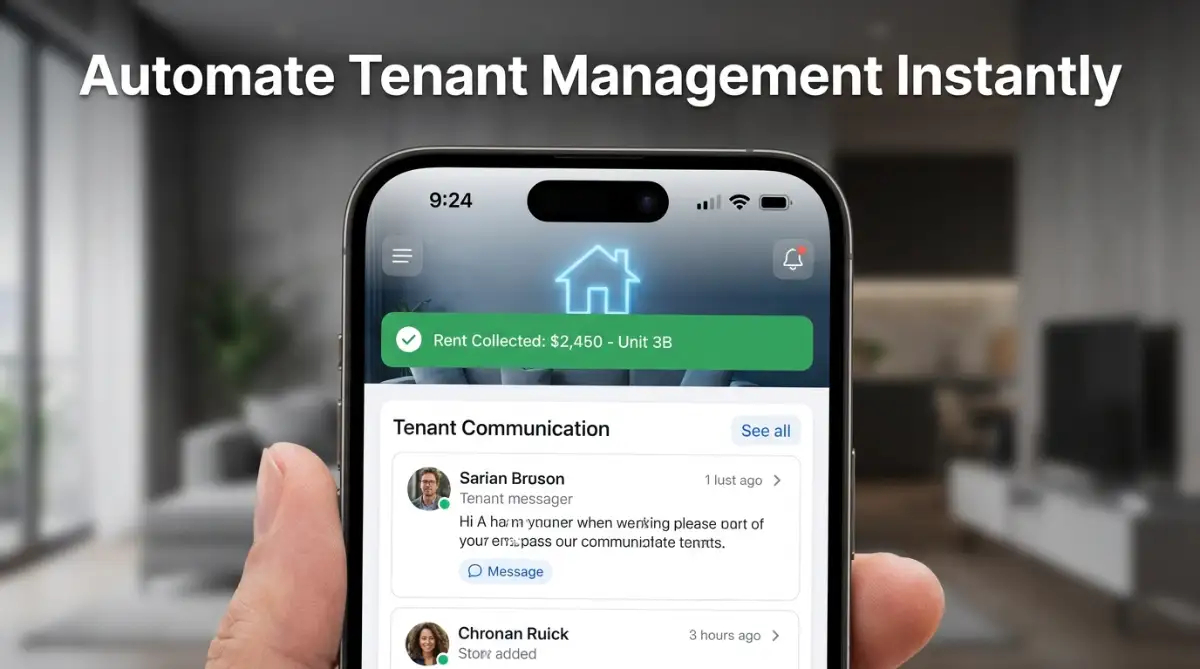
Automating your properties does not mean you have to lose the personal touch that makes you a great landlord. It simply means setting up a free, smart system that handles the repetitive tasks so you can focus on building your wealth.
Let us explore the first three practical steps to move from stressful manual work to a smooth, automated rental business.
Step 1: Setting Up Secure Digital Tenant Portals
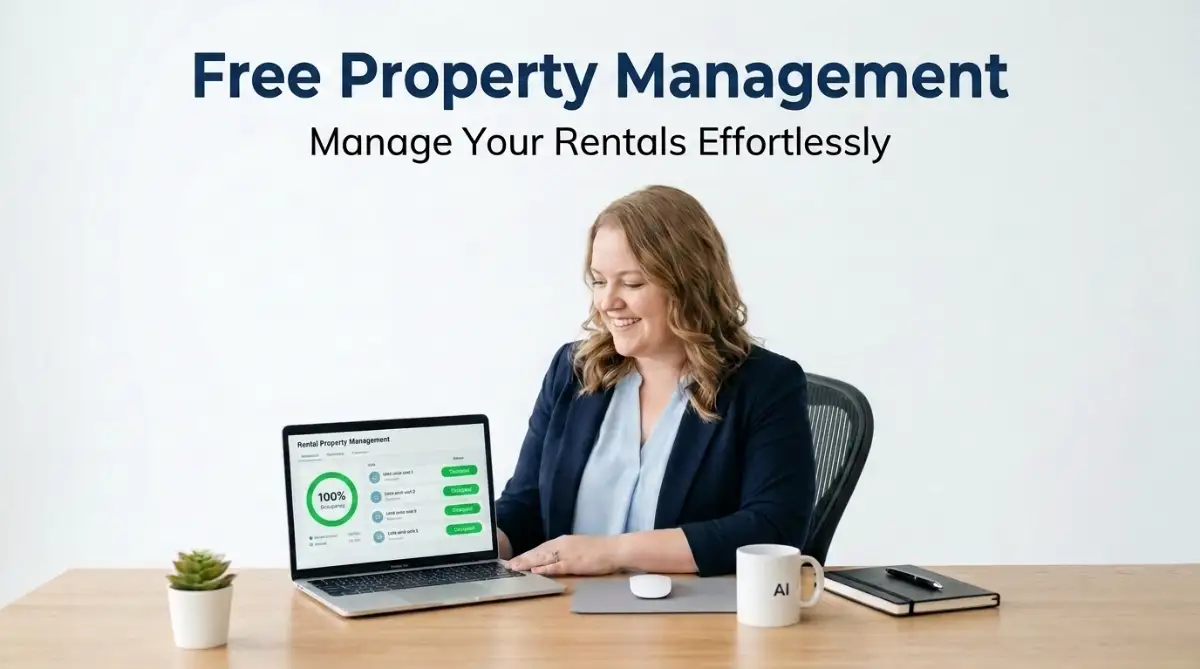
The first step to freeing up your time is to stop collecting paper checks and cash. Modern free property tools allow you to invite your tenants to a secure online portal where they can pay rent directly.
This portal acts as a virtual bridge between you and your renters. Every time a payment is made, it updates your records instantly, leaving zero room for human typing mistakes.
For example, imagine Marcus, who managed three small rental houses in Ohio. He used to spend his Saturdays driving from house to house to collect rent checks, often waiting days for them to clear the bank.
Once he set up a free tenant portal, his renters began paying online using their bank accounts or credit cards. Now, Marcus receives his funds directly in his business bank account within forty-eight hours, and he has not driven to collect a single check since.
This simple digital transition makes life much easier for your tenants as well. They can set up automatic monthly payments, ensuring they never forget to pay their rent on time again.
Step 2: Organizing Maintenance Requests Without the Late-Night Calls
Dealing with repairs is often the most stressful part of owning a rental property. When a pipe leaks or an appliance breaks, you need a system that captures the details without interrupting your daily life.
A free property platform provides your tenants with a simple form to submit their maintenance tickets directly online.
Think of it like a professional order tracking system at your favorite online store.
Instead of a frantic text message, you receive a detailed ticket that explains the exact issue.
- Your tenants can upload photos and videos of the damage directly from their smartphones.
- The system automatically logs the date and time the request was made to keep your records clear.
- You can easily assign the ticket to your preferred local plumber or electrician with a single click.
- The software updates your tenant automatically as the repair progress moves along.
Consider Lucy, who managed a small duplex while working a busy job. She used to get distracted by sudden phone calls from tenants complaining about minor repairs.
Once she started using an online maintenance tracker, she requested that all issues be submitted through the portal.
She could then review the tickets during her lunch break, send them to her contractor, and track the repairs without making a single stressful phone call.
This organized approach keeps your relationships professional and ensures that your property stays in excellent physical condition.
Step 3: Automating Your Rent Invoicing and Late Fee Rules
The conversation about late rent is always awkward and uncomfortable. Using an automated system removes the emotion from this process by handling your billing and late fees automatically.
Your software will send out friendly payment reminders a few days before the rent is due.
If the rent does not arrive on time, the system automatically applies your pre-set late fee and sends a polite notification to the tenant.
- The software calculates the exact late fee based on the rules in your signed lease agreement.
- It sends out the late notice automatically, so you do not have to act like the bad guy.
- The system keeps a clear digital paper trail of every reminder sent, which protects you legally.
- Once the payment is finally made, the software updates the balance and clears the late fee automatically.
This clear setup creates consistent boundaries for your tenants without you needing to have uncomfortable arguments.
They quickly realize that the system is automatic, which encourages them to prioritize their rent payments every single month.
By relying on these three basic automation steps, you will save hundreds of hours of manual work.
You will protect your rental profits and finally experience the stress-free passive income you deserved from the very beginning.
Next-Level Systems to Scale Your Rental Portfolio
Once you set up the basic automation for collecting rent and tracking maintenance, you can begin exploring advanced digital systems. Managing rental properties legally requires a strong understanding of fair housing guidelines. Checking the resources on the official USA.gov Housing Guide helps you protect your rental business from expensive legal mistakes
Understanding your legal rights and duties is a major part of becoming a successful real estate investor. Reading this detailed Investopedia landlord definition and guide will help you master tax deduction strategies and property cash flow rules. With this foundation, you can turn your real estate portfolio into a highly profitable system.
As you grow your property portfolio, keeping your financial records clean becomes a daily task. You can make tax season completely stress-free by exploring our guide on the best ai accounting software for small business. This smart integration will save you hours of manual bookkeeping.
Automated tools give you the freedom to step away from your properties and explore other countries. If you are planning an international vacation, you should learn how to secure travel insurance with pre-existing medical conditions to safeguard your trips from unexpected health bills. This preparation lets you travel with complete peace of mind.
Now, let us examine two advanced steps that will bring your property management systems to a professional standard.
Step 4: Automated Tenant Screening and Background Verification
Selecting the right tenant is the single most important decision you will make as a property owner. A bad tenant can cause thousands of dollars in property damage and force you into a lengthy eviction process.
Modern free property management tools offer built-in, automated tenant screening features.
When a prospective tenant applies for your rental, the software automatically requests their credit score, criminal background check, and eviction history.
The system handles the entire data gathering process securely, protecting both you and the applicant.
It compiles the findings into a clean, easy-to-read report that highlights any financial warning signs or past rental disputes.
Consider the story of Robert, who managed two suburban apartments. He used to accept tenants based on a good gut feeling and a simple printed bank statement.
After dealing with a tenant who stopped paying rent after three months, Robert switched to an automated screening platform.
The very next applicant had a history of multiple evictions that Robert would have never found on his own.
The automated system flagged the applicant instantly, saving Robert from another expensive rental disaster.
By relying on automated verification, you remove personal bias and emotion from your rental decisions.
You build a safer, more reliable community in your properties while protecting your monthly cash flow.
Step 5: Digital Document Storage and E-Signatures
Keeping track of physical lease agreements, move-in checklists, and lead paint disclosures is a constant headache.
If a legal issue arises, you do not want to be searching through dusty boxes in your garage for a signed piece of paper.
Free rental platforms solve this issue by providing secure cloud document storage with integrated e-signature tools.
You can upload your custom lease agreement, insert signature fields, and email it directly to your new tenant.
- Instant Digital Signatures: Tenants can sign the document legally on their smartphones or tablets in seconds.
- Auto-Archiving Features: Once both parties sign, the software automatically saves a copy in your secure cloud folder.
- Accessible Anywhere: You can view, download, or share the lease contract at any moment from your laptop or phone.
- Automated Expiration Alerts: The system tracks the lease end date and reminds you to start the renewal process well in advance.
Think of your digital document portal as a highly secure, online bank vault.
It keeps your legal files organized and prevents important documents from getting lost or damaged.
Imagine a scenario where a pipe bursts and ruins a tenant's personal belongings.
With cloud storage, you can instantly open the signed lease agreement on your phone to confirm which repairs are your responsibility and which require the tenant's renters insurance.
This instant access protects you from disputes and keeps your rental operations running professionally.
How to Maintain Your Automated Systems for Long-Term Success
Setting up automated software is a massive win, but you must keep your digital tools running smoothly over time.
The key to long-term success is to establish simple monthly review habits.
Spend ten minutes at the end of each month checking your active bank feeds and reviewing your tenant communication logs.
Make sure your software tools are updated to the latest versions to protect sensitive tenant financial data.
If a tenant is planning to move out, use your platform to schedule the move-out inspection and automatically send them their security deposit refund.
By managing your digital tools consistently, you will maintain a highly profitable rental business that requires very little of your personal time.
Major Pitfalls to Avoid in Automated Property Management
Transitioning to automated property software is incredibly helpful, but making simple mistakes can lead to massive financial losses.
Let us examine the five most common errors that independent property owners make and how you can avoid them.
This negative cycle usually moves from a lack of software updates to security vulnerabilities, which leads to lost tenant trust and ends in potential legal penalties.
1. Blindly Trusting Every Automated Screening Report
While automated background checks are incredibly accurate, they should never replace a direct phone call to references.
Some screening reports might miss very recent credit updates or local court filings.
Always pick up the phone and call the applicant's current employer and past two landlords to verify their actual daily behavior.
This short, human conversation will often reveal details that a digital report simply cannot capture.
2. Neglecting Tenant Data Security and Privacy Standards
Your property management system contains sensitive tenant information, including social security numbers, bank routing codes, and employment contracts.
If you use weak passwords or share your account access with untrusted contractors, you expose your tenants to identity theft.
Always use strong, unique passwords for your software accounts and enable two-factor authentication.
Protecting your tenant's digital information is not just a polite habit; it is a serious legal duty.
3. Mixing Your Rental Income with Personal Bank Accounts
A classic rookie mistake is linking your personal checking account directly to your property management portal.
This mixing of funds makes automated bookkeeping highly confusing and ruins your tax tracking.
Open a dedicated business checking account for each property or LLC you own.
This keeps your automated financial feeds perfectly clean and ensures your accounting reports are completely audit-ready.
4. Ignoring System Alerts and Disconnected Bank Feeds
Occasionally, secure bank integrations can disconnect due to security updates or changed banking passwords.
If you ignore the system notifications on your dashboard, rent payments will fail to deposit into your account.
Log into your landlord portal at least once a week to clear out any alerts and ensure your automated feeds are running smoothly.
Catching a disconnected feed early prevents late payment confusion and keeps your cash flow consistent.
5. Failing to Properly Train Your Tenants on the Software Portal
If you simply send a software link to your tenants without any explanation, they will feel confused and refuse to use it.
They will continue trying to mail you paper checks or calling you about minor repairs.
Send a friendly welcome email that explains the benefits of the digital portal, such as auto-pay options and easy repair tracking.
Providing a quick guide ensures that your tenants adopt the system quickly and stop texting you with manual requests.
Your Path to Effortless Property Management and Passive Wealth
Moving away from the daily stress of manual landlord duties is the best decision you can make for your real estate business.
Automating your properties takes away the administrative headaches and lets you enjoy the true benefits of property ownership.
By implementing smart screening, setting up secure portals, and avoiding common pitfalls, you can build a highly organized rental business.
You do not need to spend thousands of dollars on expensive management firms to find peace of mind.
Take the first step today by setting up your first free online tenant portal.
You will soon see your properties run smoothly on autopilot, allowing you to focus on finding your next great investment.
Disclaimer: The information provided in this article is for educational and informational purposes only. It does not constitute professional legal, financial, or tax advice. Always consult with a licensed attorney and a certified public accountant (CPA) before implementing new rental agreements or changing your business tax structures.