How to Travel Safely and Confidently with a Medical History
Let’s be honest: planning a trip when you have a medical condition is stressful. You book the flights and reserve the rooms, but in the back of your mind, you’re constantly wondering, "What if something goes wrong?" It’s a very common fear, but it shouldn't keep you from seeing the world. Here is how you can protect your health and your wallet without the usual headache.
You worry about what will happen if your health issue flares up while you are far away from home. You worry that you might face a sudden medical emergency in a foreign country. More importantly, you worry that an unexpected medical bill could impact your savings.
Why Finding Real Insurance Solutions Feels So Hard
Many travelers try to find clear answers online but end up feeling completely lost. The world of health policies is full of confusing words and fine print.
- Many websites use complex language that is hard for regular people to understand.
- People often believe that having a health issue means they can never get covered.
- The fear of being rejected makes people travel without any coverage at all.
- Some travelers buy regular plans, not knowing their medical history makes those plans useless.
- Finding reliable, honest advice on travel health plans feels like searching for a needle in a haystack.
Travel Insurance: Myths vs. Reality
How This Hidden Stress Ruins Your Travel Dreams
When you worry about your health, you cannot fully enjoy your journey. This stress takes away the peace you deserve when exploring new cultures.
- You constantly worry about the locations of local hospitals instead of enjoying the local sights.
- Your confidence drops because you feel like your body is a liability.
- You feel left out when your family plans fun, active day trips.
- The anxiety of making a mistake on your application form causes physical stress.
- You feel like the travel industry does not want to protect people with health histories.
This stress is very real, and we understand how heavy it feels. No one should have to choose between seeing the world and keeping their health safe. Let us look at how you can protect yourself and travel with a happy, peaceful mind.
Hospital fees in countries like the United States or parts of Europe can be incredibly high. A single day in a hospital bed can cost thousands of dollars out of your pocket. Without the right protection, a simple trip can lead to high out-of-pocket medical costs.
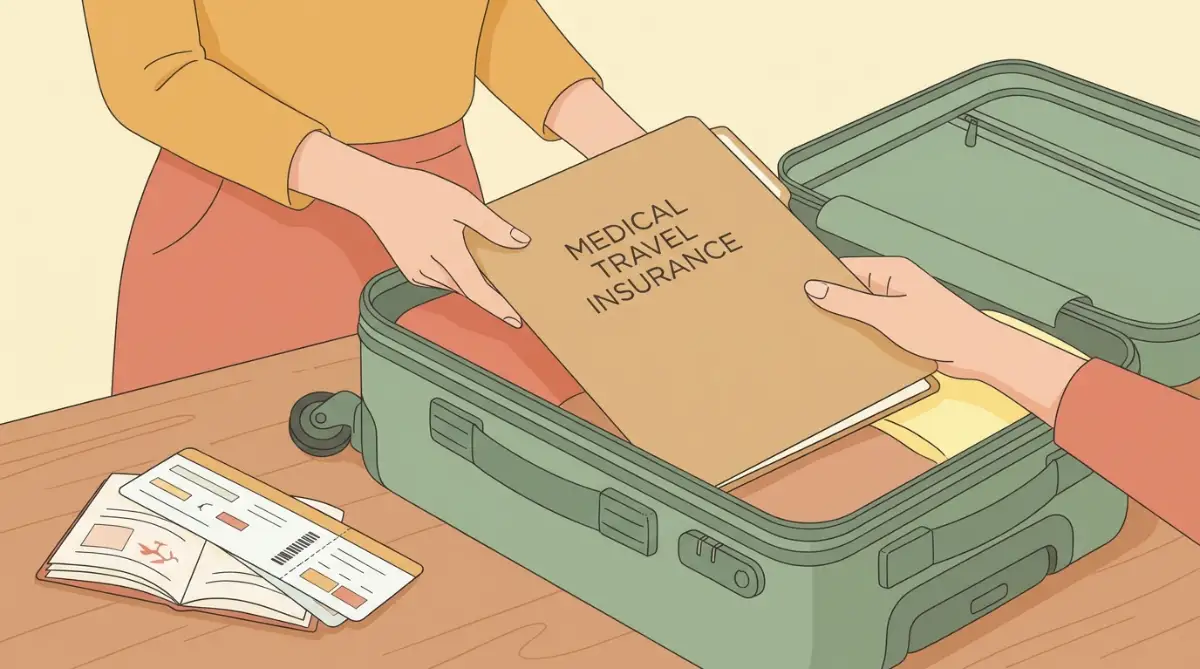
That is why you need a clear, simple plan to get the right policy. It is not as hard as the big insurance companies make it look. You just need to know the basic steps to protect your health and your savings.
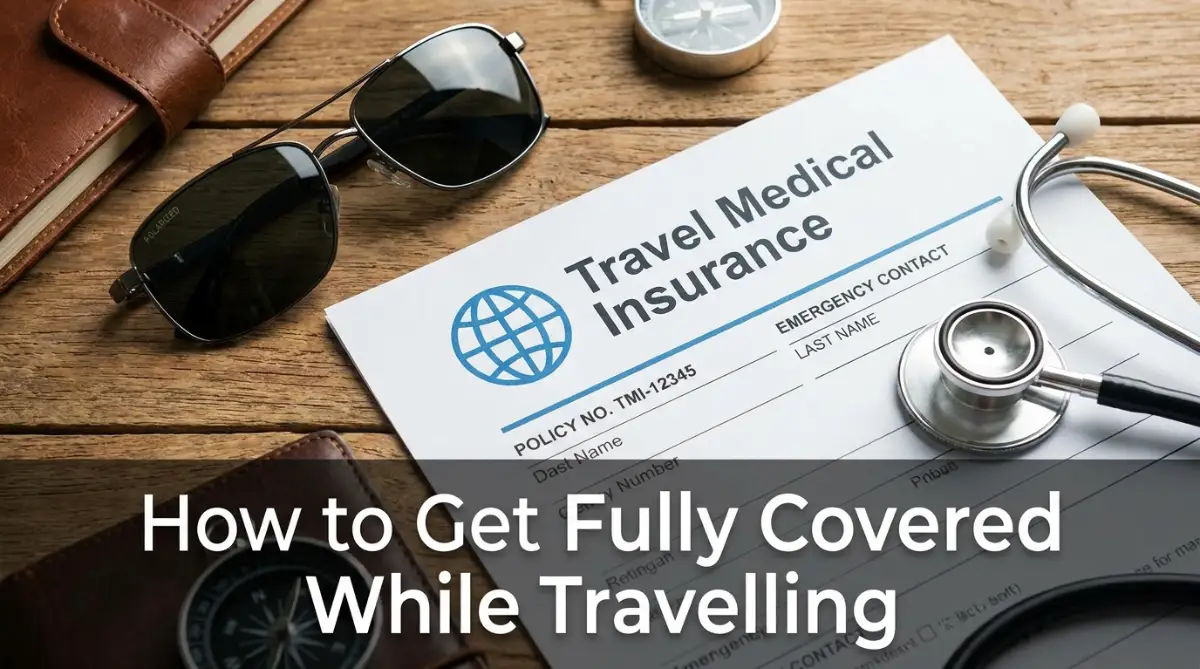
Quick Guide: Your Essential Checklist Before You Travel
If you only have a minute, here are the most important steps to protect your health and your travel budget:
- Act Fast: Buy your travel policy within 10 to 21 days of making your first trip deposit to secure a medical waiver.
- Get Doctor Proof: Ask your primary doctor for a quick letter confirming you are fit to travel and keep it in your bag.
- Be Fully Honest: Declare every small health issue or daily pill on your application to prevent the insurer from canceling your plan during a claim.
- Watch the "Stable" Window: Double-check your policy’s look-back period (usually 60 to 180 days) for any recent changes in your health or medications.
A Simple Strategy to Protect Your Health and Your Savings
How to Identify a Pre-Existing Medical Condition
The first step to getting the right plan is knowing how insurance companies define a health issue. A pre-existing condition is any health problem you had before you bought your policy. This includes illnesses, injuries, or chronic conditions that you already know about.
If you take daily medication for a condition, it is usually considered pre-existing. Even if you feel completely fine today, the policy looks at your recent medical records. This timeline of your medical history is what companies call the look-back period.
To make this clear, let us look at a simple example. Meet Sarah, a traveler who has controlled her high blood pressure with a simple pill for two years.
Because she takes this medicine daily, her high blood pressure is a pre-existing condition. If she does not tell her insurance company about it, they might refuse to pay her medical bills later.
The look-back period usually ranges from 60 to 180 days before the start date of your policy. During this time, the company checks if your condition was stable.
Stable means you had no new symptoms, no changes in medication, and no new treatments. If your health was stable during this window, getting coverage is much easier.
To make this easy to understand, let’s look at two quick, real-life examples:
- Scenario A (Stable): You have mild asthma and use the same inhaler every day. You haven't had any new symptoms or doctor visits in the last 90 days. Your condition is stable, and you are fully covered.
- Scenario B (Unstable): Your doctor changed your blood pressure dosage three weeks ago to see if a lower dose works better. Even though you feel completely fine, this change makes your condition "unstable" in the eyes of the insurer. You will need a waiver to get coverage.
On the other hand, if your doctor changed your dosage last month, your condition is considered unstable. This does not mean you cannot get covered. It just means you have to take an extra step to get the right policy protection.
How the Pre-Existing Condition Waiver Saves Your Trip
There is a special feature in the travel insurance world called a medical exclusion waiver. This waiver is like a shield that protects you from high medical costs.
When you get this waiver, the company agrees to cover your pre-existing conditions. This means they will pay for your medical care just like they would for a sudden, unexpected illness.
To qualify for this waiver, you must meet a few basic rules. First, you must buy your travel policy within a short time after making your first trip deposit. This window is usually between 10 to 21 days from the day you book your trip. If you wait too long to buy your policy, you might lose the chance to get this waiver.
Second, you must be medically fit to travel on the day you purchase your plan. This means your doctor agrees that you are healthy enough to go on your trip.
You do not need to be in perfect health, but you must not be traveling against medical advice. This simple rule protects both you and the insurance provider.
Finally, you must insure the full cost of your trip. If you only insure a part of your vacation expenses, the company might deny your waiver. Insuring the total non-refundable cost shows the company that you are acting in good faith. It is a straightforward rule that makes the waiver work perfectly.
Why Complete Honesty is Your Best Travel Protection
When you apply for travel protection, you must share your health history with total honesty. Some people worry that sharing their medical details will make the policy too expensive.
This fear leads some travelers to hide their health issues on their application forms. This is a very risky mistake that can lead to a denied claim.
If you have a medical emergency abroad, the insurance company will ask to see your medical records. If they discover you hid a condition, they can cancel your policy immediately.
This leaves you stranded in a foreign country with no help and massive medical bills. Being honest from the very start is the only way to ensure your safety.
Think of your application as a conversation with a trusted guide. You want your guide to know exactly where the bumpy roads are so they can help you avoid them.
Sharing your history allows the company to customize your plan to fit your exact health needs. It gives you the real protection you need when you are far from home.
If you are unsure whether to list a minor health issue, always err on the side of caution. List the condition even if you think it is too small to matter.
A minor issue like seasonal asthma or a past knee surgery is always better to declare. This small act of honesty keeps your policy active and your mind completely at peace.
Smart Strategies for Booking Premium Travel Coverage
Partnering with Your Primary Care Doctor for Written Proof
Before you buy any protection plan, you should schedule a quick visit with your personal doctor. Ask your doctor to write a detailed letter stating that your health condition is currently stable.
This letter should also state that you are physically fit to travel to your chosen destination. Having this document in your hands gives you a powerful tool if an insurance company questions your health status.
You can check Investopedia's explanation of pre-existing conditions to understand how companies track your medical background. Having clear proof from your doctor makes it much harder for an insurer to deny your claims later.
Always carry a physical copy of this medical letter inside your carry-on luggage. If you need to visit a hospital abroad, you can show this letter to the local doctors immediately.

It helps them understand your medical history without any dangerous language barriers. It also serves as instant proof for your insurance provider that you did not hide your illness.
This simple step takes less than an hour but can save you thousands of dollars. Think of your doctor's letter as a physical shield against bad policy decisions.
It turns your medical history from a scary question mark into a well-documented fact. It gives you the power to stand up for yourself if an emergency happens.
Upgrading Your Plan to Include Emergency Evacuation
Standard medical coverage pays for your hospital room and basic treatment. However, it usually does not cover the massive cost of flying you back home in a medical emergency.
If you are traveling to a remote island or a country with limited medical care, you need evacuation coverage. This special upgrade pays for a private medical jet to fly you to a high-quality hospital.
Before packing your bags, it is wise to review official travel health guidelines from the CDC to see what health risks exist in your destination. If local hospitals are small, evacuation protection becomes even more important.
Without it, you might get stuck in a facility that cannot treat your specific health condition. The cost of a medical flight can easily reach six figures if you have to pay for it alone.
Imagine being on a beautiful cruise ship in the middle of the ocean when you suddenly need specialized heart surgery. A standard policy might only cover the onboard doctor who can stabilize you temporarily.
An evacuation policy will pay to transport you quickly to the nearest qualified medical center. It is the ultimate safety net for travelers who refuse to let their health limit their horizons.
This extra protection is surprisingly affordable when added to a basic travel plan. It is a small price to pay for the freedom to explore wild, beautiful places without fear.
We always recommend this upgrade to travelers with heart conditions, lung issues, or mobility challenges. It ensures that no matter how far you go, a safe path home is always open to you.
Long-Term Habits for Stress-Free Global Journeys
If you want to travel frequently, you should create a permanent "travel health folder" on your computer or phone. Keep digital copies of your prescriptions, doctor letters, and insurance policies in this secure folder.
Share access to this folder with a trusted family member who is staying back home. If you are unable to speak during an emergency, your family member can email these documents to the hospital in seconds.
Preparing your medical records early is very similar to knowing how to get your car insurance payout fast and fairly because good documentation always wins the day. The more organized you are before you leave, the faster your insurer will process your claims.
It takes away the panic of searching for old paperwork when you are feeling unwell in a foreign hotel room. It puts you in total control of your travel experience.
When you know your health, your vehicle, and your trip are protected, you can truly live in the moment. You can focus on the beauty of the world instead of worrying about worst-case scenarios.

Dangerous Mistakes That Can Void Your Medical Coverage
Relying Only on Basic Credit Card Benefits
Many credit card companies promise free travel protection when you use their card to book a trip. While these benefits sound great in advertisements, they often have hidden limits.
Most credit cards do not offer any coverage for pre-existing medical conditions. If you have an emergency related to your past illness, your credit card benefits will cover nothing.
Using a credit card plan for a complex health history is like using a paper umbrella in a heavy storm. It looks nice when the sun is shining, but it fails completely when you actually need it.
Always read the fine print of your credit card guide before assuming you are safe. In almost every case, buying a dedicated standalone travel policy is the much safer option.
Ignoring Small Medication Adjustments
A very common mistake is assuming that a small change in your daily medicine does not matter. If your doctor recently adjusted your daily medication dosage or changed your prescription, your health status is no longer "stable."
If you do not report this change, your insurer can legally deny your claims. They will view the dosage change as proof of an active, unstable health issue.
Even if you feel completely healthy, the insurance system operates on strict rules. Always report any medication changes that happened during your look-back window.
This simple act of honesty protects your policy from being canceled when you need it most. It is always better to pay a tiny bit more for your plan than to have your coverage declared void.
Waiting Until the Last Minute to Buy Your Plan
Many travelers wait until the day before their trip to buy travel protection. By doing this, you completely miss the opportunity to get a pre-existing medical condition waiver.
As we discussed earlier, you must buy your plan within two to three weeks of making your first trip deposit. Waiting too long locks you out of the best protection options.
Set a calendar reminder the moment you book your plane tickets or cruise. Make buying your policy the very next thing you do on your travel checklist.
This simple habit ensures you get the waiver and saves you from unnecessary stress. It is the easiest way to guarantee you are fully protected.
Hiding Minor Health Issues from the Underwriter
Some people think that minor issues like mild asthma or a past knee injury are not worth mentioning. However, insurance companies have access to deep medical databases during a claim investigation.
If they find any health history that you did not disclose, they can reject your entire claim. Even if your emergency had nothing to do with your asthma, the policy can still be canceled for dishonesty.
Treat your application like an open book. Listing a minor issue rarely increases your price by much, but it protects your legal rights.
It ensures that your insurer cannot use a technicality to avoid paying your hospital bills. Complete transparency is your absolute best protection.
Failing to Read the Definition of Stable
Every company has a slightly different definition of what makes a condition stable. Some look back sixty days, while others look back a full six months.
If you do not read this definition, you might buy a plan that does not fit your medical timeline. You could find yourself without coverage because of a doctor visit that happened four months ago.
Take ten minutes to read the definition of "stable" in your policy booklet. If the language is confusing, call the customer support line and ask them to explain it in simple terms.
A good company will always be happy to walk you through these details. Knowing these rules gives you complete confidence when you finally step onto the plane.
Step Forward Into Your Next Great Adventure with Confidence
Having a medical condition should never stop you from seeing the beautiful sights of the world. With the right preparation, you can travel just as safely as anyone else.
By understanding your policy options and securing a medical waiver, you can protect your health and your hard-earned savings. You can explore new cities and enjoy new foods with a perfectly calm mind.
Do not let fear keep you sitting at home while others collect beautiful memories. Take action today by gathering your medical records and talking to your doctor.
The world is waiting for you, and with the right protection, you are fully ready to explore it safely. Step out with confidence and make your travel dreams come true.
Disclaimer: The information provided on this blog is for educational and general informational purposes only. It does not constitute professional financial, legal, or licensed medical advice. Travel insurance policies vary significantly by provider and region. Readers are strongly advised to review policy terms directly with a licensed insurance specialist or broker before making any purchase or travel decisions.