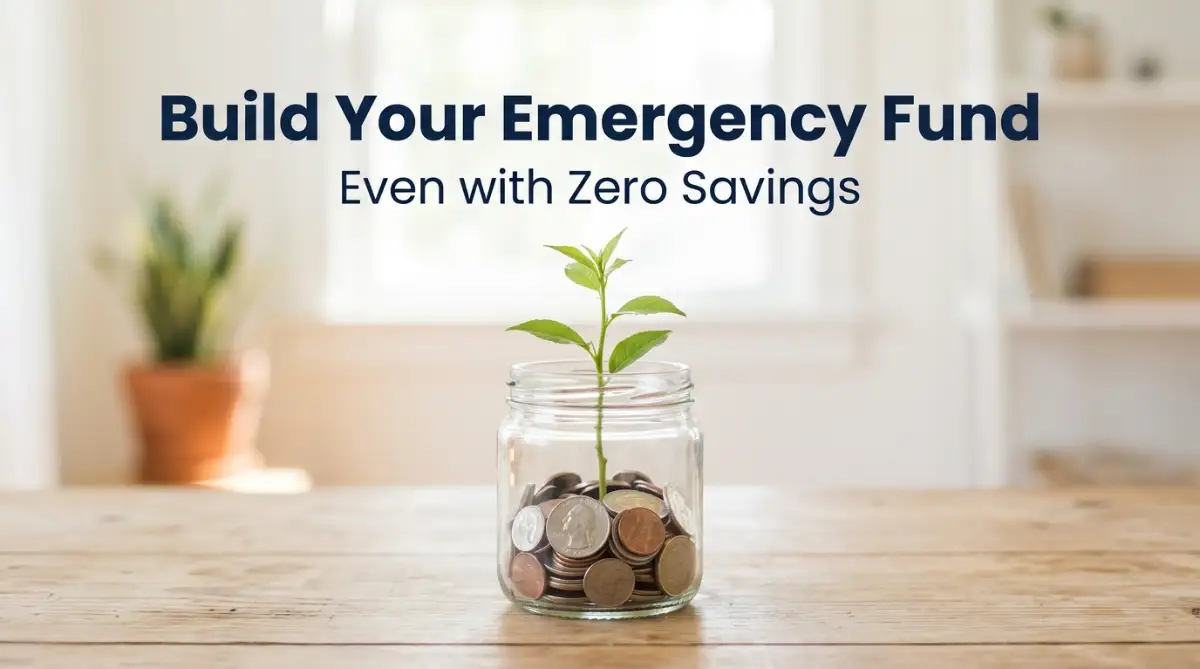
The Heavy Weight of a Damaged Credit Score
Have you ever felt a sudden pit in your stomach when a loan application was rejected? Imagine finding the perfect apartment, only to be turned away because of a past medical emergency that drained your bank account. It is a quiet, heavy kind of stress that keeps you awake at night.
A financial setback does not just hurt your wallet. It can damage your self-esteem and make you feel locked out of your own future. You might feel like you are being punished forever for a single bad season in your life.
I still remember sitting in my car, staring at a declined apartment application, with my heart sinking into my shoes. A few unexpected medical bills had completely wrecked my credit score, and suddenly, I felt like a financial outcast. My confidence hit rock bottom, but that painful moment was the exact wake-up call I needed to stop hiding and figure out how this system actually works.
But I want you to take a deep breath. Your current credit score is not a lifetime sentence. It is simply a snapshot of your past, and we can change what your future looks like. Let us walk through this path together, step by step, and put those sleepless nights behind us.
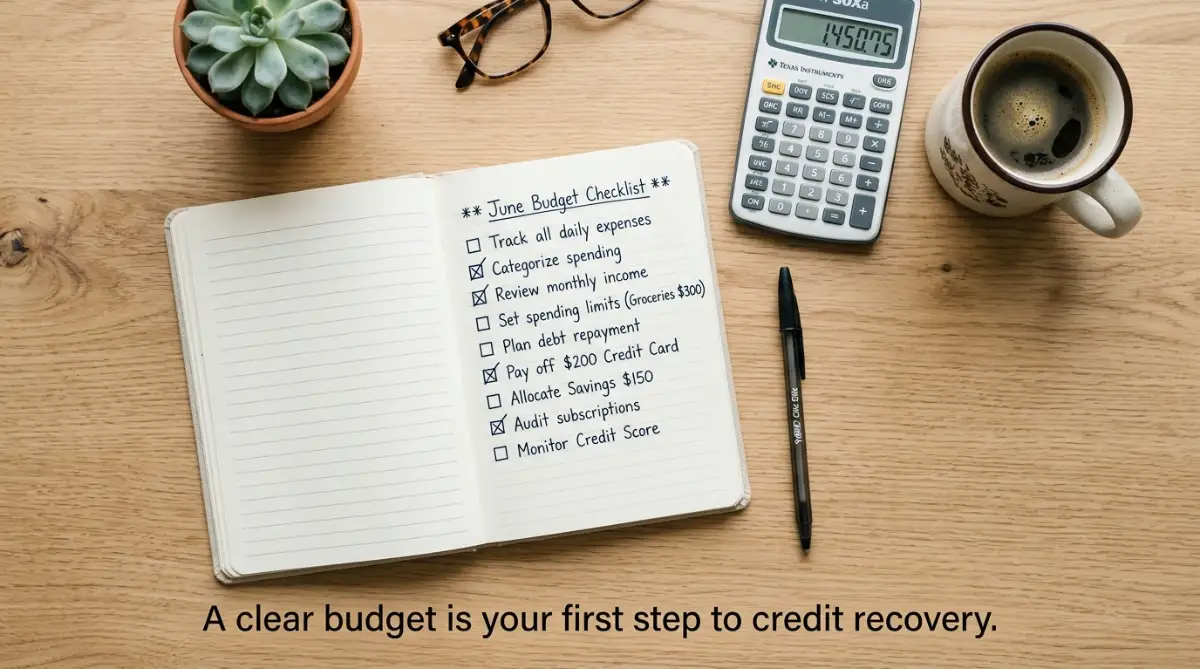
The Roadmap to Restoring Your Credit Health
To fix a problem, we must first look at it clearly & read carefully to know everything properly. We cannot build a solid house on a shaky foundation, so we must start by examining the damage.
Stop the Bleeding: Examine Your Credit Reports
Your first move is to get your hands on your official credit reports. You can do this for free through authorized government-backed portals. Do not pay for a service when you can get these records without spending a dime.
Once you have your reports, look closely at every single line. Check for simple errors like misspelled names, wrong addresses, or accounts that do not belong to you. Sometimes, credit bureaus list late payments that you actually paid on time.
If you find an error, you must dispute it immediately with the credit bureau. They are legally required to investigate and remove incorrect information within thirty days. Getting a single mistake removed can give your score a quick and sudden bump.
Credit Report Errors
- Accounts that are not yours: File a dispute for identity mix-ups.
- Incorrect late payment dates: Provide bank receipts as proof.
- Duplicate negative entries: Ask the bureau to merge or delete them.
If you are a visual learner, watch this quick video below to see exactly how to pull your free report and spot sneaky errors in minutes. Once you finish watching, keep reading below to discover how your everyday phone and utility bills can actually give your score a massive boost!
Establish a Solid Payment History
Your payment history is the biggest piece of the credit score puzzle. It makes up more than one-third of your entire score. Because of this, even one missed payment can cause your numbers to slide backward.
To prevent this, you need to set up a system that protects you from forgetfulness. Put all of your recurring monthly bills on automatic payment. This includes your phone bill, utilities, and minimum credit card payments.
If you cannot afford the full balance, always pay at least the minimum amount due. Paying the minimum keeps your account marked as "current" and protects your history. If you are struggling, call your utility companies and ask to change your billing due dates to match your paydays.
Understand the Credit Utilization Trap
Your credit utilization ratio is the amount of credit you use compared to your total limit. Many people think they are doing well just by paying their bills on time. However, if your cards are constantly maxed out, your score will suffer.
Keep the Balance Low
Try to keep your balance below thirty percent of your limit on every single card. For example, if your credit limit is one thousand dollars, do not let your balance go over three hundred dollars. Keeping it even lower, around ten percent, is the secret weapon of high scorers.
Ask for a Limit Increase
One clever trick is to ask your credit card company to increase your credit limit. If they agree, and you do not spend any more money, your utilization ratio drops instantly. Just make sure they can do this without performing a hard inquiry on your credit report.
Myth vs. Reality: Credit Card Management
Many people believe that closing old credit cards is a smart way to clean up their personal finances. Let us look at why this common belief is actually incorrect.
- Myth: Closing an old, unused credit card will help raise your credit score.
- Reality: Closing an old account reduces your total available credit and shortens your credit history, which can actually cause your score to drop. Keep those older accounts open and active with a tiny monthly subscription.
I actually made the huge mistake of calling the bank and canceling my oldest credit card because I thought being "debt-free" meant having no open cards at all. My score dropped almost overnight, teaching me the hard way that keeping a zero-balance older card open is a simple superpower for your credit history.
Rebuild Using Credit Builder Tools
If your credit is severely damaged, traditional banks might not offer you a standard credit card. This is where modern financial tools come into play. They are designed specifically to help you build positive history safely.
The Power of Secured Credit Cards
A secured credit card requires you to put down a cash deposit. This deposit usually acts as your credit limit. Because there is no risk to the bank, almost anyone can get approved.
Use this card only for small, regular purchases like groceries or gas. Pay off the balance in full every single month before the due date. Within a few months, this consistent behavior will start reflecting positively on your report.
Explore Credit Builder Loans
Another great option is a credit builder loan. With these loans, the money you borrow is held in a locked savings account while you make monthly payments. Once you make all the payments, the bank gives you the money back.
The bank reports your timely payments to the major credit bureaus every month. This is an excellent way to build an emergency fund while simultaneously healing your credit score.
Protect Your Score from Extra Damage
When you are trying to rebuild, you must be careful not to make new mistakes. A common error is applying for multiple new credit cards at the same time out of desperation.
Avoid Hard Inquiries
Each time you apply for a new loan or card, the lender does a deep check on your credit. This is called a hard inquiry, and it temporarily lowers your score by a few points. Too many hard inquiries in a short period make you look risky to lenders.
Stop Shopping for Rates Everywhere
If you need a loan, do all your shopping within a short two-week window. Credit bureaus usually group multiple inquiries for the same type of loan into a single event if they happen quickly. This keeps your score safe from unnecessary damage.
Credit Score Impact
- Checking your own credit score: No impact (Soft inquiry).
- Applying for three new cards: Negative impact (Multiple hard pulls).
- Keeping old accounts open: Positive impact (Longer credit age).
Stay Consistent with a Simple Routine
The journey to financial recovery is not a sprint. It is a series of small, daily habits that add up over time. You do not need to check your score every hour.
Instead, set a monthly calendar alert to review your account balances. Use free mobile apps to track your score once a week. Celebrate the small gains, even if it is just a five-point increase.
Remember, you are taking active control of your financial destiny today. By following these steps, you are laying down a path toward lower interest rates, better housing options, and true peace of mind. Keep moving forward, because every small step brings you closer to your goal.
Taking Your Credit Recovery to the Next Level: Pro Tactics
Now that we have covered the absolute basics of credit repair, we can explore some advanced moves. These strategies go beyond just paying your bills on time every month. They are designed for people who want to speed up their progress and see real results sooner.
Our first advanced tactic is a simple program that connects directly to your bank account. Many people do not realize they can get credit for bills they already pay every single day. Things like your monthly phone bill, internet service, and even your streaming subscriptions can help you.
By using free online reporting programs, you can link your bank transactions directly to your credit profile. This allows the bureaus to see your consistent history of paying daily utility bills on time. It is a fantastic way to instantly add positive points to your file without taking on any new debt.
Another powerful method is often called credit piggybacking, which relies on the good habits of a loved one. If you have a family member with an excellent credit history, they can add you as an authorized user on their oldest credit card. You do not even need to actually hold or use the physical card yourself to benefit.
Once you are added, that card's entire history of on-time payments and its low balance ratio get copied directly onto your report. This can immediately lengthen your credit history and lower your overall utilization percentage in one simple step. However, you must make sure that your family member is highly disciplined with their money before you do this.
Pro-Level Strategy
- Linking utility bills to reports: Quick, small point increases.
- Becoming an authorized user: Instant boost in credit age.
- Writing a polite goodwill letter: Potential removal of past late marks.
Our third advanced secret is writing what professional advisors call a goodwill letter to your lenders. If you have a single late payment from a past emergency but have been perfect ever since, you have leverage. You can write a polite letter explaining the situation that caused you to miss the payment date.
Explain how you have corrected your path and ask them to remove that single negative mark from your record as a favor. Lenders are run by real people, and they will often agree to help if you have a strong history of timely payments afterward. This simple letter can wipe away a stubborn scar that has been holding your score down.
Finally, to sustain these positive results over the long term, you must build a weekly routine around your money. Set a recurring alarm on your phone to check your bank balances and credit apps every Saturday morning. This habit helps you catch small errors or unauthorized charges before they turn into major problems.
If you ever need guidance on how lenders are legally required to treat you, always consult the official Consumer Financial Protection Bureau guidelines for detailed assistance. Knowing your consumer rights is a massive advantage when dealing with banks and collection agencies. Over time, these small habits will build a protective shield around your hard-earned credit score.

Hidden Roadblocks That Can Instantly Derail Your Recovery
While you are working hard to rebuild, you must also be aware of the invisible traps waiting to pull you down. Many well-meaning people make innocent mistakes that end up wiping out months of progress in a single day. Let us look at these dangers so you can avoid them completely.
One of the biggest traps is the empty promise made by expensive, third-party credit repair companies. You have likely seen advertisements promising to completely erase your bad credit history overnight for a high fee. These claims are almost always too good to be true, and many of these companies use illegal methods that can get you into trouble.
The truth is that there is absolutely nothing a credit repair company can do for you that you cannot do for yourself for free. If you suspect you are being targeted by a dishonest company, check the official Federal Trade Commission dispute process to see how to protect yourself. Spending your hard-earned cash on these services usually leaves you with less money and the exact same low credit score.
Another silent progress-killer is the sudden, unexpected emergency that you did not plan for in your budget. For example, a sudden family emergency or a pet getting sick can instantly force you to max out your credit cards again. This is why we always recommend building a small cash reserve before you focus fully on paying down old debts.
To prevent sudden medical emergencies from destroying your progress, it is smart to have proper protection plans in place. For instance, pet owners can avoid sudden veterinary debt by researching options for securing pet insurance with no waiting period to cover sudden accidents. Having this safety net keeps you from relying on high-interest credit cards when a crisis occurs.
You should also watch out for the temptation to simplify your life by consolidating all your debts too quickly. Many people believe that merging their debts into a single loan is a magic fix, but this is a very common misunderstanding. There are many dangerous myths about debt consolidation that can actually cause your score to drop if you do not understand the process.
Dangerous Financial Trap
- Paid credit repair services: High risk of scams and lost money.
- Closing older credit accounts: Reduces your average credit history.
- Co-signing loans for friends: You become fully responsible for debt.
Finally, never co-sign a loan for a friend or relative while you are trying to heal your own financial standing. When you co-sign, you are telling the bank that you will pay the entire debt if the other person fails to do so. Even if they pay on time, that entire debt amount shows up on your report and makes you look riskier to lenders.
Protecting your own financial health must be your absolute top priority right now. Saying no to loved ones can be difficult, but your financial survival depends on your ability to set healthy boundaries. Keep your focus on your own recovery plan, and do not let outside distractions pull you off course.
Your Action Plan for Tomorrow: Stepping Into Financial Freedom
Looking back at everything we have covered, the path to a higher credit score is highly practical and achievable. It does not require a massive bank account or a degree in finance to make real progress. It simply requires you to make a few smart decisions and repeat them consistently over time.
Your Daily Habits Checklist
To help you get started right away, here is a simple checklist you can use to guide your actions starting tomorrow:
- Download a free credit tracking app to monitor your weekly progress and catch errors.
- Call your utility providers to link your on-time monthly payments to your credit profile.
- Create a simple calendar alert for all your minimum payment due dates.
- Keep your credit card balances below ten percent of your limit whenever possible.
As you begin this journey, remember to be incredibly kind to yourself along the way. You did not fall into a financial setback overnight, and you will not climb out of it in a single day either. The secret is to value steady, continuous progress over quick and temporary fixes.
Every single on-time payment you make is a brick in the foundation of your new financial life. Within a few months, you will start seeing those numbers tick upward, and with that rise will come a deep sense of relief. You have the knowledge, you have the tools, and now is the time to take your first confident step forward.
Looking back at my own journey, the day I stopped ignoring my past mistakes was the day my financial life finally started getting better. You do not have to fix everything today, but taking just one small step right now will give you back your peace of mind and put you in control again.
Disclaimer
The information provided in this article is for educational and informational purposes only and does not constitute professional financial, legal, or investment advice. Credit scoring models and laws vary by location and individual circumstances. Always consult with a certified financial planner or qualified legal professional before making major financial decisions.