The Hidden Cost of a Sad Day: Why We Shop to Feel Better
I still remember the nights I would sit in the dark, scrolling through my favorite store's app just to make a bad day go away. Before I knew it, my closet was full of boxes I never even opened, and my bank account was completely empty. I felt so trapped by my own habits, buying things I did not need just to feel a tiny bit of happiness.
It is midnight, and you are sitting on your bed after a long, exhausting day at work. You feel a deep sense of tiredness, mixed with a little bit of loneliness or worry. Without thinking, your thumb opens a shopping app on your phone, and you begin to scroll.
Before you know it, you have spent money on a pair of shoes you do not really need. In that short moment, you felt a quick rush of excitement and happiness. But the next morning, that joy is replaced by a heavy cloud of guilt when you see the bank alert.
Many of us live in this endless loop of buying and regretting. We try to fill our emotional gaps with cardboard boxes delivered to our doorsteps. This habit does not just hurt our bank accounts; it also slowly eats away at our mental peace.
We feel like we are losing control of our own choices. Every time we try to save, a bad day at the office pulls us right back to the online checkout page. It is a quiet struggle that leaves us feeling ashamed and financially stuck.
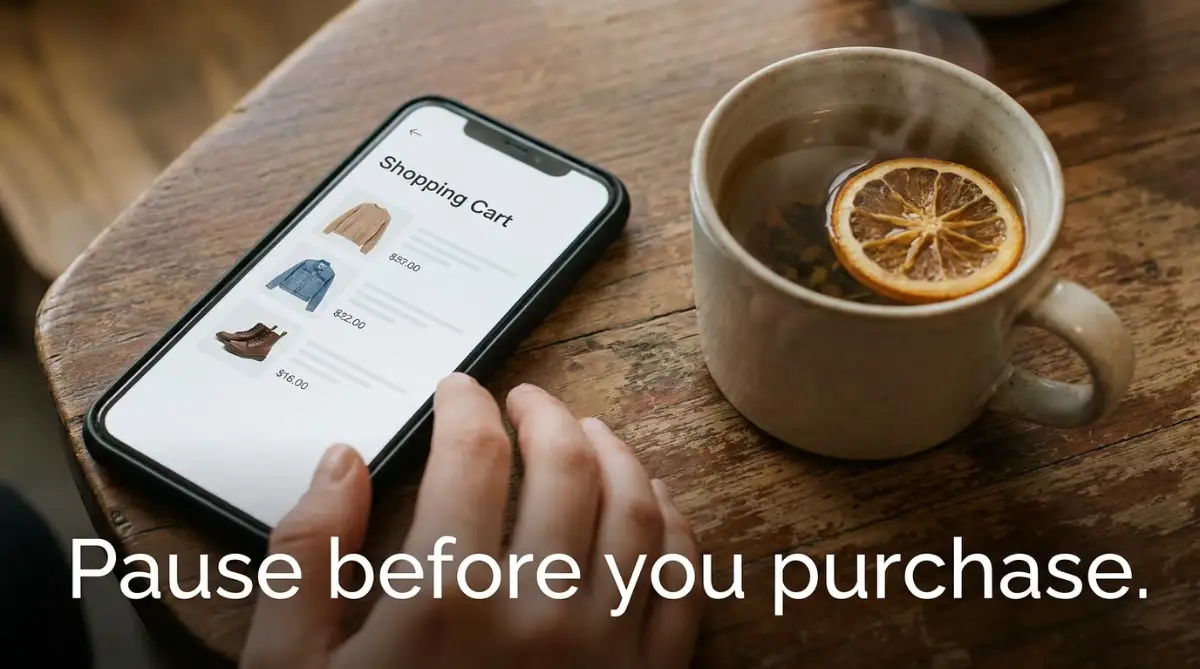
Inside the Brain: Why Shopping Feels Like a Warm Hug
Our brains are wired to look for comfort when we are feeling down. When you buy something new, your brain releases a chemical called dopamine, which is often called the feel-good hormone. This chemical gives us a quick wave of pleasure, making us feel safe and satisfied.
The problem is that this happy feeling does not last very long. It is a temporary fix for a much deeper emotional need. Once the excitement of the purchase wears off, the original stress or sadness comes back, often stronger than before.
To make things clear, let us look at how emotional spending compares to mindful spending:
- Primary Trigger: Emotional spending is driven by stress, boredom, anger, or loneliness, while mindful spending is based on a genuine need or a carefully planned desire.
- Feeling Afterward: Emotional spending leaves you with guilt, regret, and anxiety, whereas mindful spending brings lasting satisfaction and peace of mind.
- Decision Speed: Emotional purchases happen instantly, impulsively, and quickly, but mindful buying is thoughtful, planned, and patient.
- Financial Impact: Emotional spending often leads to growing debt and low savings, while mindful spending helps you build strong savings and long-term security.
We must understand that retail therapy is not real therapy. It is just a shield we use to hide our real feelings. When we understand this brain chemistry, we can start to change our habits.
Want to see exactly how your brain tricks you into spending money when you are sad? Watch this short video below to understand the science of emotional shopping, and then keep reading to find out how to easily beat these bad habits!
The Hidden Traps: Identifying Your Personal Spending Triggers
We cannot fight an enemy we cannot see. To stop spending money when we are emotional, we need to know what starts the urge in the first place. These triggers usually fall into a few common categories.
1. The Boredom Scroll
Sometimes, we do not buy things because we are sad; we buy them simply because we have nothing else to do. Scrolling through online stores becomes a habit, like watching television. This passive habit makes us buy items we never wanted in the first place.
2. The Stress Relief Purchase
After a tough meeting or a fight with a loved one, your brain looks for a quick escape. Buying a new gadget or dress feels like a small reward for surviving a hard time. You tell yourself, "I deserve this after what I went through today."
3. The Fear of Missing Out (FOMO)
Social media makes us feel like everyone else is living a better, more exciting life. We see our friends posting about new products, and we feel left out. We buy things we cannot afford just to feel like we belong to the same social group.
Pro Tip: The HALT Method
Before you click the "Buy Now" button, pause and ask yourself if you are feeling Hungry, Angry, Lonely, or Tired. Most impulsive buys happen when we are experiencing one of these four basic emotional states. If you are, close the app and address the real need first.
Simple and Practical Steps to Break the Cycle Today
Changing your money habits does not have to be painful or complicated. You do not need to cut out all fun spending immediately. Instead, you can use these simple, realistic techniques to regain your financial balance.
Create a Speed Bump for Your Money
We live in a world where buying things is too easy. With one-click payments and saved card details, you can spend money in less than three seconds. To stop this, you need to build healthy obstacles between your impulses and your money.
First, delete your saved credit card information from your favorite online shopping websites and food delivery apps. Having to get up, find your wallet, and type in sixteen digits gives your brain time to think. This small delay can be enough to make you realize you do not need the item.
Second, try the 48-Hour Pause Rule. When you find something you want to buy, force yourself to wait two full days before making the purchase. During this time, the emotional high will fade, and you can look at the item with a clear mind.
My biggest mistake used to be trusting my memory with my credit card numbers, which made late-night spending way too easy. I finally realized that simply deleting those saved numbers forced me to actually get out of bed, and that small annoyance saved me hundreds of dollars.
Swap the Habit with a Healthy Alternative
You cannot just stop an emotional habit without replacing it with something else. If you try to use pure willpower, you will eventually feel tired and give in to the temptation. You need to find free activities that give you a similar feeling of joy.
If you usually shop when you are lonely, try calling a close friend or a family member. If you shop when you are stressed, go for a quick walk outside or listen to your favorite music. These activities release dopamine naturally without costing you a single penny.
First setup our mind & Let us look at a few simple swaps you can make starting today:
- Instead of browsing shopping apps: Read a chapter of an inspiring book or write down your thoughts in a journal.
- Instead of buying expensive comfort food: Cook a simple, warm meal at home using ingredients you already have.
- Instead of shopping to reward yourself: Allow yourself an hour of uninterrupted relaxation or watch a movie you love.
Rebuilding Your Relationship with Money
It is very important to practice self-compassion during this journey of change. We all make mistakes, and there will be days when you still buy things on impulse. When this happens, do not be too hard on yourself or feel like a failure.
Instead, look at the mistake as a way to learn more about your emotional habits. Ask yourself what went wrong and how you can prepare for that trigger next time. Healing your relationship with money takes time, patience, and practice.
Your self-worth is not connected to the things you own or the brands you wear. By choosing to control your spending, you are choosing long-term peace over short-term pleasure. You are taking back the power to shape your own financial future.
Start small, stay consistent, and remember that every small step brings you closer to a life of true freedom. Your bank account, and your peace of mind, will thank you.
Going Beyond the Basics: Advanced Strategies for Mindful Money Management
Understanding why we spend emotionally is a great first step. Now, we need to look at advanced techniques that can help us maintain these habits over a lifetime. These methods go deeper than just deleting shopping apps or waiting two days before buying.
The Power of Tracking Emotional Waves
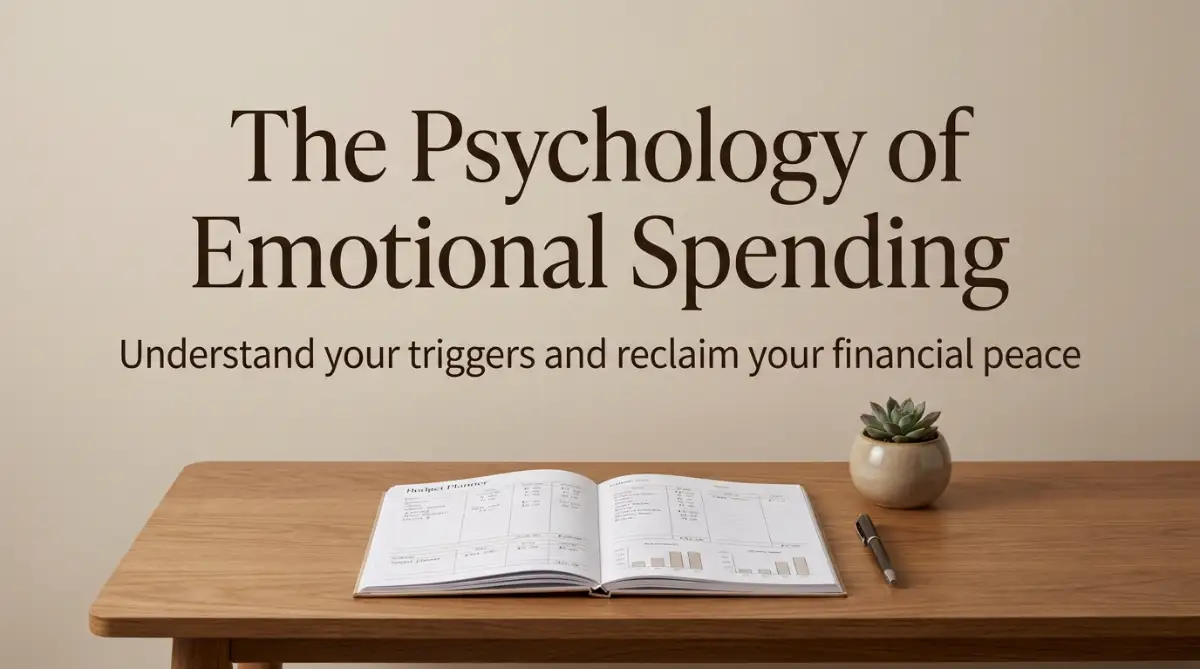
Most budget systems only ask you to track the amount of money you spend. This is a good practice, but it misses a huge part of the puzzle. To really change, you must track how you feel at the exact moment you make a purchase.
Next to every expense in your notebook or spreadsheet, write down your dominant emotion. Were you bored, tired, anxious, or happy? Over time, you will see clear patterns that show exactly which feelings cost you the most money.
This simple self-study method is backed by scientific studies on compulsive buying disorder. When we identify the specific emotion that triggers a purchase, we can address the feeling directly instead of using a credit card as a temporary emotional bandage.
Creating an Emotional Buffer Fund
We are all familiar with traditional emergency funds that cover unexpected car repairs or medical bills. But those who struggle with impulse shopping also need what I call an "Emotional Buffer Fund." This is a small, separate pool of money set aside specifically for stress relief.
This fund has a strict monthly limit that you agree on beforehand. If you have an incredibly hard week, you are allowed to spend from this buffer without any guilt. This setup creates a safety valve that keeps you from ruining your main savings goals when life gets overwhelming.
Knowing you have a small, approved budget for comfort spending can actually reduce the urge to splurge. It takes away the feeling of strict deprivation, which is often the main reason why budgets fail.
Practicing the Visual Cart Exercise
Online shopping is designed to be highly addictive. The bright colors, personalized recommendations, and smooth checkout process make us feel like we are playing a game. You can turn this same design against the shops by practicing the visual cart exercise.
Go ahead and add all the items you want to your online shopping cart, but do not buy them. Leave the tab open, close your laptop, and visualize those physical items sitting in your actual living room. Ask yourself where you would put them, how often you would clean them, and if they would truly bring you long-term joy.
Many times, simply adding items to a cart satisfies the brain's desire for the hunt. The act of choosing the items triggers dopamine, even if you never spend a single dollar.
Shifting Focus to Intentional Life Planning
Often, emotional spending is a way to escape a reality that feels boring or stressful. We buy things to feel like we are making progress in life. A better approach is to channel that energy into structured, intentional life planning.
For example, planning a rewarding trip with close attention to detail can give you the same excitement as buying new clothes. Doing things like research and securing travel insurance with pre-existing medical conditions ahead of time keeps your mind focused on healthy, productive tasks.
When you spend your energy planning meaningful experiences, you build a life you do not feel the need to escape from. You learn to invest your money in memories that grow sweeter over time, rather than physical objects that gather dust in your closet.

The Hidden Pitfalls: Mistakes That Keep You Trapped in the Cycle
Trying to stop emotional spending is a journey filled with obstacles. Many people start with the best intentions but end up falling into common traps that set them back. Recognizing these mistakes early can save you from a lot of frustration and financial pain.
Trying to Stop Everything Cold Turkey
One of the biggest mistakes is trying to cut out all non-essential spending overnight. People often declare that they will not buy anything fun for the next six months. While this sounds brave, it is usually a recipe for failure.
This extreme approach behaves exactly like a crash diet. You hold on with sheer willpower for a couple of weeks, feeling increasingly miserable and left out. Eventually, you snap and go on a massive spending spree that leaves you in a worse position than when you started.
It is much better to make small, gradual changes that you can actually live with. Allow yourself small rewards while slowly building up your saving muscles over time.
Relying Solely on Willpower
Willpower is a limited resource that gets drained throughout the day. Every time you make a decision at work or resist a temptation, your mental strength decreases. By the evening, your brain is too tired to fight the urge to shop.
If you rely only on your mind to stay strong, you will eventually lose the battle. This is why psychological studies on stress and coping mechanisms highlight the importance of changing your environment rather than just trying harder.
You must set up automated systems to protect your money. Set up automatic transfers to your savings account on payday so the money is gone before you can spend it. Put your savings in a separate bank that is difficult to access quickly.
Falling for the "Sale" Illusion
Marketers are experts at creating a false sense of urgency. They use red tags, countdown timers, and phrases like "limited time offer" to make us panic. This panic overrides our rational thinking, making us buy things we do not even want.
You must remember that saving fifty dollars on a one-hundred-dollar item you do not need is not saving money. You still spent fifty dollars that could have gone toward your real dreams.
A great rule of thumb is to calculate the cost of an item in hours of your labor. Ask yourself if a new pair of designer shoes is really worth ten hours of hard work at your job. This simple shift in perspective can instantly cool down your desire to buy.
Ignoring the Root Cause of Your Debt
Sometimes, emotional spending leads to credit card debt that starts to grow out of control. Many people try to ignore this growing mountain of bills, hoping it will somehow resolve itself. They might even look for quick fixes without changing their underlying emotional habits first.
For instance, some individuals rush into restructuring plans without understanding the basic rules of the process. If you find yourself in this situation, take the time to learn the facts by looking into 5 common debt consolidation myths damaging your credit score.
Addressing your debt requires honesty and patience. You cannot fix a financial issue with a quick trick if you do not heal the emotional patterns that created the problem in the first place. Facing the numbers directly is the only way to build a solid foundation for your future.
Your Path Forward: An Action Plan for Tomorrow
Regaining control of your money is not about living a life of boring restriction. It is about making space for the things that truly matter to you. When you stop spending money on temporary emotional fixes, you open the door to real peace and freedom.
Focus on Small Daily Successes
Do not worry about how you will manage your money next month or next year. Focus entirely on making good choices today. Each time you close a shopping app without buying anything, you are winning a small victory.
These small wins add up quickly over time. They build your confidence and prove to you that you are indeed the master of your own choices. Celebrate these moments of self-control, because they are the building blocks of your new life.
Keep a small journal where you write down the times you successfully resisted the urge to spend. Looking back at this list during a weak moment can give you the strength to keep going.
Building a Supportive Circle of Friends
It is very difficult to change your habits if the people around you are constantly encouraging you to spend. Talk openly with your close friends about your financial goals. Let them know that you are trying to be more mindful of your spending.
Real friends will support your journey and help you stay on track. Instead of meeting at expensive restaurants or shopping malls, suggest free activities like hiking, visiting a local museum, or having a potluck at home.
You might be surprised to find that your friends are also stressed about money and will feel relieved by your suggestions. Open conversations about money can take away the social pressure to always look wealthy.
A Promise to Your Future Self
Every time you choose to save money, you are sending a gift to your future self. You are buying yourself safety, peace of mind, and the freedom to make choices without financial fear. This is a far better reward than any product you could ever buy in a store.
Imagine the feeling of looking at your bank account and seeing a comfortable cushion of savings. Imagine the relief of knowing you can handle an emergency without any panic. That feeling of deep security is worth infinitely more than any temporary shopping high.
Take a deep breath and make a promise to yourself today. You have the power to break the cycle of emotional spending and build a bright, secure financial future. Your journey starts with the very next choice you make.
When I finally broke my own cycle of emotional shopping, it felt like a giant weight was lifted off my shoulders. I promise you that the peace of mind you get from having a full savings account feels so much better than any new pair of shoes. Take it one day at a time, and I know you can take your financial power back too!
Disclaimer: The information provided in this article is for educational and informational purposes only and should not be considered professional financial advice. Please consult with a certified financial planner or a licensed professional to discuss your specific financial situation before making any major financial decisions.