When Your Skin Screams for Help: The Silent Struggle of a Broken Barrier
Look, we have all had those mornings where our face just hurts. You wash it, and even plain water stings like crazy. I know how frustrating it is when your safe, everyday moisturizers suddenly feel like acid. But trust me, your skin is not broken forever—it just needs a little break to rebuild its natural shield.
You might try to cover the redness with makeup, but it only flakes and looks patchy. You buy expensive creams hoping for a quick fix, but they only seem to make the irritation worse. It feels like your skin is rejecting everything you do.
This constant discomfort is not just physically painful; it drains your mental energy too. You find yourself canceling plans with friends because you feel self-conscious about your face. You spend hours searching online for answers, feeling completely lost in a sea of conflicting advice.
The truth is, your skin is not broken permanently. It is simply trying to tell you that its protective outer shield is cracked. Once you understand how to listen to your skin, you can start helping it heal from the inside out.
Fast Track to Healing (Key Takeaways):
- Stop using all exfoliating acids and scrubs immediately.
- Wash your face only with cool water and a soap-free cleanser.
- Use simple creams packed with ceramides to lock in moisture.
- Give your face at least 3 to 4 weeks of consistent rest to bounce back.
What Exactly is Your Skin Barrier?
To heal your skin, you first need to understand how it protects itself. Think of your skin barrier as a sturdy brick wall that keeps the bad things out and the good things in.
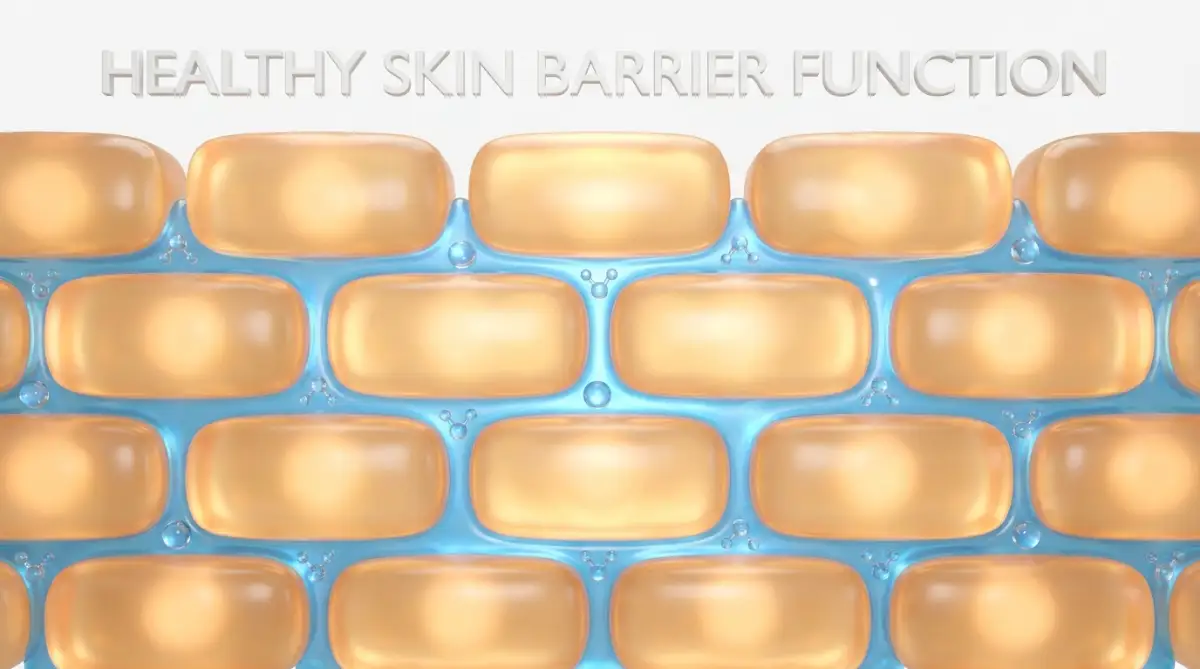
The bricks are your skin cells, which are called corneocytes. The mortar holding these bricks together is a rich mixture of natural lipids, including ceramides, cholesterol, and fatty acids.
When this wall is strong, it keeps moisture locked inside your body. It also blocks harmful bacteria, pollution, and harsh chemicals from entering your deeper skin layers.
However, when this protective wall is damaged, moisture quickly escapes through tiny cracks. This process is known as Transepidermal Water Loss (TEWL). At the same time, external irritants slip through those same cracks, causing instant redness, itching, and dry patches.
Clear Signs That Your Shield is Cracked
How do you know if your barrier is actually damaged, or if you are just having a bad skin day? Here are the most common warning signs to watch out for:
- Constant tightness: Your face feels stretched and dry, especially right after washing it.
- Persistent redness: You notice a warm, red, or blotchy appearance that does not go away.
- Extreme sensitivity: Products that used to work perfectly suddenly cause a burning or stinging sensation.
- Flaking and rough texture: Your skin feels dry, scaly, and rough to the touch.
- Sudden breakouts: Because bacteria can easily slip past a damaged barrier, you might experience unusual pimples or irritation bumps.
If you are experiencing two or more of these symptoms, your moisture barrier is likely compromised. The good news is that you can fix this naturally by changing a few daily habits.
Action Steps to Rebuild Your Skin Barrier Naturally
Healing your skin does not require a luxury budget or a ten-step routine. In fact, when it comes to barrier repair, less is always more. Let us look at the most effective natural ways to restore your skin's protective shield.
1. Simplify Your Routine and Remove Active Ingredients
The first and most important step in skin healing is to stop using anything that can cause irritation. This means you must pause the use of all active ingredients immediately.
Put away your exfoliating acids, such as glycolic acid, salicylic acid, and lactic acid. Stop using retinoids, vitamin C serums, and harsh anti-aging creams for at least three to four weeks.
These ingredients are great for healthy skin, but they are too aggressive for a damaged barrier. They act like sandpaper on an open wound, preventing your skin from sealing its microscopic cracks.
Instead, strip your routine down to three basic steps: a gentle cleanser, a basic hydrating moisturizer, and a mineral sunscreen during the day.
Quick Q&A: Can I still use my Vitamin C?
Question: Will I lose my glow if I stop using active ingredients?
My Answer: Not at all! Actually, applying harsh serums right now just causes more redness. Give your skin a four-week break. Once your face stops stinging from basic lotion, you can slowly bring back your favorite Vitamin C serum.
2. Wash Your Face with Gentle, pH-Balanced Cleansers
Many people strip their skin barrier simply by using the wrong face wash. If your cleanser leaves your face feeling squeaky clean, it is too harsh.
Most traditional soaps are highly alkaline, which disrupts the natural acidic pH of your skin. Your skin needs a slightly acidic environment (around pH 5.5) to keep its protective enzymes working properly.
Switch to a soap-free, non-foaming, hydrating cleanser. Look for ingredients like glycerin or oat extract, which soothe the skin while gently removing dirt.
Only wash your face with lukewarm water. Hot water strips away the natural oils that your skin desperately needs to repair itself. In the morning, you can even skip cleanser entirely and just rinse your face with cool water.
3. Use Barrier-Identical Ingredients
To repair the "mortar" between your skin cells, you need to apply ingredients that mimic your skin's natural fats.
When shopping for a moisturizer, look for formulas that contain ceramides, cholesterol, and fatty acids. These are the exact building blocks your skin uses to rebuild its wall.Applying these ingredients helps fill in the gaps between your dry skin cells, locking in moisture and preventing irritants from entering.
IngredientWhat It Does for Your SkinCeramidesRebuilds the protective outer layer to trap moisture.CholesterolImproves skin elasticity and supports natural healing.Fatty AcidsDeeply nourishes the skin and prevents dryness.
4. Hydrate First, Then Lock It In
Hydration and moisture are two different things. Hydration is the water inside your skin, while moisture is the oil that keeps that water from escaping.
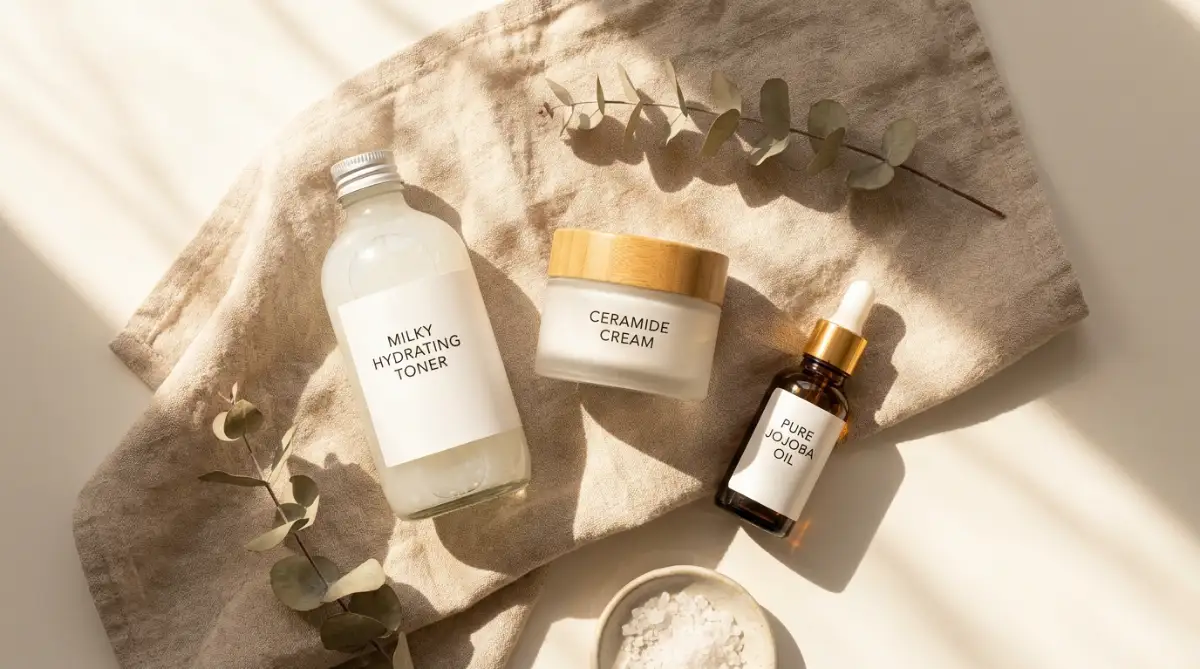
To heal your barrier, you need to focus on both. First, apply a hydrating serum or toner containing hyaluronic acid or glycerin to damp skin. These ingredients act like tiny sponges, pulling water into your skin cells.
Immediately follow up with a rich cream to seal that water inside. If your skin is extremely dry, you can apply a natural plant oil, like squalane or jojoba oil, as your final step.
These oils behave similarly to your skin's natural sebum. They create a breathable protective layer that keeps your face hydrated all night long.
5. Ditch All Physical Scrubs and Rough Tools
When your skin feels rough and flaky, your first instinct might be to scrub the dead skin away. This is a major mistake that will only set your healing journey back.
Using physical scrubs, spinning brushes, or even rough washcloths creates micro-tears in your already fragile skin. This causes deeper inflammation and delays the natural healing process.
Instead of trying to remove the flakes, let them fall off naturally. As your skin heals underneath, the flakes will disappear on their own.When drying your face, always use a clean, soft microfiber towel and gently pat your skin dry. Never rub your skin roughly with a towel.
Myth vs. Reality in Skin Barrier Repair
There is a lot of misinformation online about how to care for sensitive skin. Let us clear up a few common myths so you can make safe decisions for your face.
- Myth: Natural oils are always safe for a damaged skin barrier.
- Reality: Some natural oils, like pure coconut oil or olive oil, can clog pores or cause irritation for sensitive skin types. Stick to lightweight, non-comedogenic oils like squalane or jojoba oil.
- Myth: You need to drink gallons of water to fix dry skin.
- Reality: While staying hydrated is good for your health, drinking extra water cannot fix a broken barrier. If your skin barrier is damaged, the water you drink will simply evaporate through your skin. You must fix the barrier to lock that moisture in.
- Myth: A burning sensation means the product is working.
- Reality: Skincare should never burn or sting. If a product causes discomfort, it means it is irritating your nerve endings and damaging your skin further. Wash it off immediately.
Expert Insights for Consistent Healing
Healing a damaged skin barrier requires patience and consistency. It took time for your barrier to break down, and it will take time for it to rebuild.
On average, it takes about three to four weeks of consistent, gentle care to see a noticeable improvement. If your barrier was severely damaged, it might take up to two months.
During this time, keep your environment in mind. Dry indoor air from heating or air conditioning can pull moisture out of your skin. Always Try Best Product for Skin. Using a cool-mist humidifier in your bedroom at night can help keep the air humid, making it much easier for your skin to hold onto moisture while you sleep.
Always protect your face from the sun. UV rays damage the proteins in your skin barrier, slowing down the recovery process. Apply a gentle, zinc oxide-based mineral sunscreen every morning to protect your healing skin.
Beyond the Basics: Long-Term Strategies for Resilient Skin
Building a Lipid Reserve: Your Skin's Protective Shield
Think of your skin's lipid reserve like a protective financial buffer. Just as you work hard to learn how to build a bulletproof emergency fund fast to protect against sudden monetary emergencies, your skin needs a steady reserve of essential lipids to handle sudden changes in weather or environment.
When your skin has a strong reserve of ceramides, it can block irritants before they ever reach the sensitive layers underneath. This means you do not have to worry about sudden flare-ups when you try a new makeup product or walk into a dry room.
Building this reserve takes time and regular care. You cannot expect your skin to build a strong shield if you only apply your repair creams occasionally.
The Hidden Impact of Pollution and Weather Shifts
Your environment plays a massive role in how well your skin barrier functions. Cold winter air and dry indoor heating can pull moisture right out of your skin cells.
In addition, city air is filled with microscopic pollution particles that can cause silent damage. A systematic review on transepidermal water loss and pollution shows that exposure to daily air pollutants can trigger free radicals that disrupt your outer shield.
These pollutants break down your natural oils, leaving your skin dry and exposed. To combat this, you must use rich creams that act as a physical shield against these unseen particles.
The Role of Water Quality in Skincare
Many people do not realize that the water coming out of their tap can actually damage their skin. Hard water contains high amounts of minerals like calcium and magnesium.
These minerals can bond with the surfactants in your cleanser, leaving a microscopic residue on your skin. This residue acts as a constant irritant, drying out your skin cells and breaking down your natural lipid barrier over time.
If you suspect your home has hard water, consider attaching a simple water filter to your shower head. This small adjustment can make a massive difference in how calm and soft your skin feels after washing. Take care of your skin, which will give you a different feeling, it will feel fresh.
Pro Tip: The Water Temperature Rule
Did you know the water in your shower might be too hot for your face? I always tell people to do the simple "wrist test." If the water feels warm on the inside of your wrist, it is going to melt away your skin's natural oils. Stick to cool water to speed up your healing.
Nourishing Your Skin Barrier from the Inside Out
What you put inside your body is just as important as what you apply on top of it. Your skin cells rely on the nutrients you eat to build their lipid layers.
Incorporate healthy fats into your diet, such as omega-3 fatty acids found in fish, flaxseeds, and walnuts. These healthy fats help keep your cell membranes strong, supple, and better at retaining water.
Also, make sure to drink a reasonable amount of water throughout the day. While drinking water cannot directly repair a broken barrier, it ensures your body has the raw hydration needed to keep your cells healthy.
Choosing the Right Formulation Standards
To make sure your barrier-identical creams are effective, the formulas need to be crafted with precision. A recent review on the role of ceramides in skin barrier function highlights that undissolved or poorly formulated ceramides cannot penetrate the skin layer.
This means you should choose trusted, reputable brands that specialize in clinical, barrier-friendly formulations rather than cheap, trendy products. Look for creams that specifically state they contain a balanced ratio of ceramides, cholesterol, and free fatty acids.
These balanced formulas blend seamlessly with your skin's natural structure, helping it repair itself much faster than generic moisturizers.

Hidden Trapdoors: The Mistakes That Keep Your Skin Red and Angry
When your skin is irritated, it is easy to make panicky decisions. You want relief, and you want it now.However, certain common mistakes can keep your face trapped in a cycle of irritation and damage. Understanding these pitfalls will help you avoid unnecessary setbacks.
Juggling Too Many Remedies at Once
One of the biggest mistakes is trying to use too many healing products at the same time. You might buy a soothing serum, a rich cream, and an exotic oil all in the same week.
This overwhelm can confuse and irritate your skin even more. Trying to manage too many active skin products is like trying to handle a mess of complex financial problems.
Treating Breakouts on a Broken Barrier
Another common pitfall is treating pimples while ignoring your skin's protective shield. When your barrier is weak, bacteria can easily enter your pores, causing breakouts.
If you immediately apply harsh acne treatments like benzoyl peroxide or tea tree oil, you will dry out the skin even further. This makes your barrier weaker, leading to more breakouts.
You must heal the barrier first to stop the acne cycle naturally. Once your outer shield is strong, it will naturally keep acne-causing bacteria away from your pores.
The Danger of Inconsistency and Skipping Steps
Healing your skin requires daily dedication. If you apply your soothing cream tonight but skip it tomorrow, your skin cannot repair itself fully.
A single missed day of care disrupts your skin’s healing momentum, forcing you to work twice as hard to get back to where you started. To avoid this, keep your daily routine so simple that you can easily do it even when you are exhausted.
Trusting Kitchen Remedies and Dangerous DIY Trends
In your search for natural solutions, you might be tempted to try kitchen ingredients like lemon juice, baking soda, or raw vinegar. Many online blogs claim these are cheap ways to brighten and heal your face.
In reality, these ingredients are highly acidic or highly alkaline, which completely ruins your skin's natural pH level. Applying lemon juice to an already damaged barrier can cause chemical burns and leave dark spots that take months to fade.
Always rely on gentle, scientifically formulated products rather than unverified homemade recipes. Your skin is a delicate organ that deserves professional, well-tested care.
Overwashing and the Temptation of Hot Water
When your skin feels rough, dry, or oily, you might feel the urge to wash your face multiple times a day. You might also enjoy taking long, steaming hot showers to relax.
Unfortunately, hot water and frequent washing wash away the very lipids your skin is trying to produce to heal itself. This leaves your face even drier and triggers your skin to produce excess oil, leading to a greasy but dehydrated face.
Limit your washing to once or twice a day, and always use cool or lukewarm water. Your skin will thank you by holding onto its natural hydration much better.
Your Daily Action Plan for Soft, Protected Skin
We want you to feel confident and comfortable in your skin. Rebuilding your barrier is not about finding a magic cure.
It is about practicing simple, loving habits every single day. By slowing down and listening to your skin, you can achieve a healthy, radiant glow naturally.
A Simple Routine to Start Tonight
Tonight, keep things as clean and simple as possible. Wash your face with warm water and a very gentle, soap-free cleanser.
Pat your skin dry with a soft, clean towel while leaving it slightly damp. Apply a rich, ceramide-filled moisturizer to lock that water into your skin cells.
If your skin is extremely dry, finish with a few drops of pure squalane oil. This simple routine protects your skin while you sleep, allowing it to heal without any stress.
Healing is a Journey, Not a Sprint
Do not be discouraged if you do not see immediate results tomorrow morning. Your skin cells take time to regenerate and rebuild their protective walls.
Focus on how your skin feels rather than how it looks in the mirror. With consistency, you will soon notice less redness, no more stinging, and a healthy, natural glow.
Start your healing journey tonight, and give your skin the gentle rest it deserves. You have the power to help your skin heal itself naturally.
Your Skin Barrier Recovery Checklist
To help you stay on track, here is a quick checklist to follow over the next few weeks:
- Morning: Rinse with cool water, apply a simple ceramide moisturizer, and finish with a mineral sunscreen.
- Evening: Wash with a soap-free gentle cleanser, apply hydrating serum on damp skin, and lock it in with a rich barrier cream.
- Avoid: No exfoliating scrubs, no active acids, no retinoids, and no hot water on your face.
- Environment: Use a cool-mist humidifier in dry rooms and protect your face from strong winds or heavy pollution.
Skincare Disclaimer
The information provided in this article is for educational and informational purposes only and should not be considered as professional medical advice. Always consult with a licensed dermatologist or healthcare provider before starting any new skincare regimen, especially if you have chronic skin conditions like eczema, psoriasis, or severe acne.
![Ultimate Guide to the Water-Only Morning Routine for Glowing Skin [Save Time & Money]](https://enapulse.com/storage/uploads/blogs/1788146801_the-secret-to-flawless-skin-why-skipping-your-morning-cleanser-works-step-by-step.webp)