When Your Face Feels on Fire: The Daily Battle of Sensitive Skin
Imagine waking up, looking in the mirror, and seeing a bright red, burning face. You did not spend hours in the sun, nor did you use a harsh chemical peel. Yet, your skin is screaming in pain, feeling tight, angry, and incredibly itchy.
It is incredibly frustrating when even a simple splash of plain water makes your face sting. This is the exhausting daily reality for millions of us living with highly sensitive skin. You constantly worry about which ingredient or environmental change will trigger the next painful flare-up.
This ongoing struggle affects more than just your physical appearance. It chips away at your confidence, making you want to cancel social plans and hide away. The constant search for a safe, soothing product feels like a never-ending and expensive guessing game.
We understand this deep frustration and the physical discomfort that comes with it. You do not have to rely on expensive creams loaded with hidden chemicals to find relief. Always remember, our skin is very sensitive.
Let us look at how you can use simple, natural methods to quiet the anger in your skin today.

The Emergency Cool-Down: Immediate Steps to Stop the Stinging
When a flare-up strikes, your immediate goal is to lower the temperature of your skin. Think of your inflamed skin as a tiny fire that needs to be put out gently. Here are the most effective, natural ways to calm the heat right now.
Apply a Clean Cold Compress First
The absolute fastest way to calm sudden redness is by using cold temperatures. Cold constricts the tiny blood vessels under your skin, which immediately reduces redness and swelling.
To do this safely, take a clean, soft washcloth and soak it in cool water. Gently press the damp cloth against your face for five to ten minutes.
Never apply ice directly to sensitive skin, as extreme cold can cause tissue damage and worsen your irritation.
Drench Your Skin in Colloidal Oatmeal
Oatmeal is not just a healthy breakfast option; it is a legendary skin saver. Colloidal oatmeal is simply oats ground into an extremely fine powder that dissolves easily in water.
It contains special antioxidant compounds called avenanthramides that actively fight inflammation and itching. You can mix a tablespoon of this fine oatmeal powder with a little warm water to create a smooth paste. Apply it gently to your red areas, leave it on for fifteen minutes, and rinse with cool water.
Apply Pure Aloe Vera Gel with Care
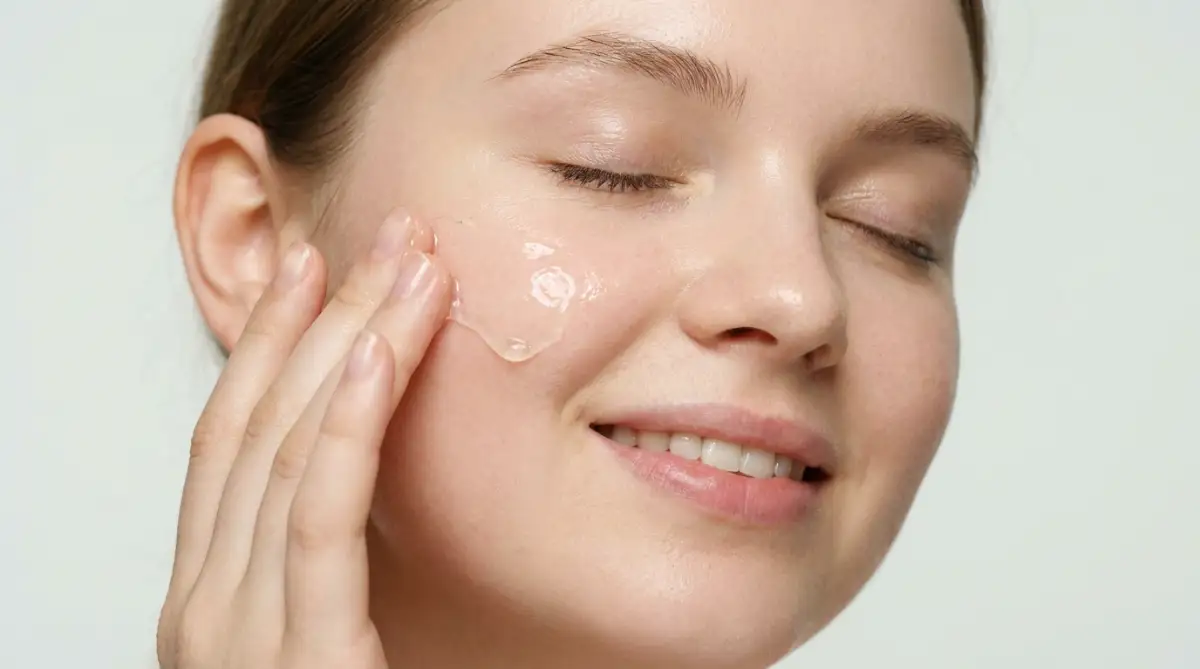
Aloe vera is famous for its cooling properties and its ability to heal wounded skin. The clear gel inside the leaf is packed with vitamins, minerals, and water that soothe irritation instantly.
If you use a fresh leaf, scoop the clear gel out carefully and apply a thin layer to your face. For store-bought gels, make sure the label says ninety-nine percent pure and has zero added alcohol or fragrance. Fragrance is one of the most common triggers that can make your sensitive skin burn even worse.
Why Your Skin Reacts: Understanding the Science of Irritation
To stop future flare-ups, we must understand why your skin is reacting so strongly. Your skin has a outer protective layer known as the moisture barrier.
The Role of a Broken Skin Barrier
Think of your skin barrier as a brick wall where your skin cells are the bricks and lipids are the mortar. When this protective wall is strong, it keeps moisture inside and blocks irritants from entering.
However, harsh soaps, cold weather, and stress can crack this protective mortar. Once the barrier is damaged, moisture escapes rapidly, leaving your skin dry, exposed, and highly vulnerable to inflammation.
How External Triggers Cause Inflammation
When irritants slip through your cracked skin barrier, your body's defense system goes on high alert. It releases chemicals called histamines to fight off these perceived threats.
This immune response causes your blood vessels to expand, which leads to the visible redness and swelling you see. By focusing on rebuilding this barrier, you can protect your face from reacting to everyday environmental triggers.
Choosing the Right Natural Soothers: A Simple Comparison
Not all natural ingredients work the same way for sensitive skin. Here is a quick guide to help you choose the best natural remedy for your specific skin needs:
01. Colloidal Oatmeal
Primary Benefit: Relieves intense itching and restores moisture barrier
Best Used For: Dry, itchy, and scaling skin
How Often to Use: 2-3 times a week as a mask
02.Pure Aloe Vera
Primary Benefit: Cools down active heat and reduces redness
Best Used For: Sunburns, hot flashes, and active rashes
How Often to Use: Daily as a soothing spot treatment
03.Squalane Oil
Primary Benefit: Locks in hydration without clogging pores
Best Used For: Dryness and rebuilding the lipid barrier
How Often to Use: Every night after your moisturizer
04.Cool Green Tea
Primary Benefit: Fights free radicals and calms inflammation
Best Used For: Puffiness and general facial redness
How Often to Use: Daily as a gentle facial mist
Skincare Myths That Are Making Your Redness Worse
There is a lot of bad advice online regarding natural skincare. Let us clear up some common misunderstandings so you do not accidentally damage your skin further.
Myth: "All Natural Ingredients Are Safe for Sensitive Skin"
- Reality: Some of the most irritating ingredients come directly from nature. For example, raw lemon juice and cinnamon can cause severe chemical burns on sensitive faces. Always patch-test any new natural ingredient on your inner wrist before putting it on your face.
Myth: "You Need to Scrub Away Flaky, Dry Skin"
- Reality: When irritated skin starts to peel, your instinct might be to scrub it off with a washcloth or scrub. Physical scrubbing tears open the fragile, healing skin underneath and delays the recovery process. Instead, let the dead skin fall off naturally while keeping it well-hydrated.
How to Wash Your Face Without Causing a Flare-Up
How you clean your skin sets the stage for how calm or irritated it will be throughout the day. Many people unknowingly strip their skin during the washing process.
Always Use Lukewarm Water
Hot water is a major enemy of sensitive skin because it melts away your natural protective oils. Always wash your face with lukewarm or cool water to keep your lipid barrier intact.
Skip the Foaming Cleansers
Foaming cleansers often contain harsh sulfates that create big bubbles but dry out your skin completely. Look for non-foaming, milky, or lotion-based cleansers that clean without leaving your skin feeling tight.
Pat, Never Rub Your Skin Dry
After rinsing, gently pat your face with a clean, soft microfiber towel. Rubbing your face with a rough cotton towel creates friction, which immediately triggers redness and irritation.
An Easy Green Tea Soothing Mist You Can Make at Home
Green tea is loaded with rich antioxidants called epigallocatechin gallate (EGCG). These compounds are highly effective at reducing swelling and calming irritated skin cells.
Step 1: Brew a Strong Cup of Tea
Steep one organic green tea bag in half a cup of hot water for about ten minutes. Let the tea cool down completely to room temperature, then place it in the refrigerator for an hour.
Step 2: Transfer to a Clean Spray Bottle
Pour the cold green tea into a clean, sanitized misting bottle. You can spray this cool mist onto your face whenever you feel a hot flash or itching starting.
Step 3: Store It Safely
Because this natural mist contains no chemical preservatives, it can spoil quickly. Keep the spray bottle in your refrigerator and discard any leftover liquid after three days.
Pro Tips for Keeping Sensitive Skin Calm Every Day
Healing your skin is a daily journey that requires consistent, gentle habits. Here are a few expert tips to keep your skin happy and comfortable.
Expert Insight: Always apply your natural oils or moisturizers while your skin is still slightly damp. This simple trick traps the extra water on your skin, boosting your hydration levels instantly.
- Simplify Your Routine: When your skin is angry, stop using multi-step routines. Stick to a simple cleanser, a basic moisturizer, and a mineral sunscreen until your skin heals.
- Watch Your Diet: Spicy foods, caffeine, and hot beverages can cause your blood vessels to dilate. If you notice your face flushing after eating certain foods, try keeping a simple food diary to track your triggers.
- Keep Skincare in the Fridge: Storing your safe moisturizers and gels in the refrigerator adds an extra cooling sensation when applied. This cold temperature provides immediate, cooling relief to burning skin.
Advanced Strategies for Sustaining Long-Term Skin Calmness
To keep your skin calm over many years, you must look beyond basic home remedies. True relief comes from knowing how to protect your face through smart, daily habits.
Lock in Deep Moisture with the "Soaking and Smearing" Method
The timing of your skincare application determines how much hydration your face retains. Most people dry their faces completely with a towel before applying any moisturizer.
This is actually a major mistake because it allows precious water to evaporate into the air. Instead, we recommend using the professional "soak and smear" technique.
To do this, wash your face with lukewarm water and do not use a towel to dry it. While your skin is still heavily damp, apply your gentle, natural humectants immediately.
This method traps the water directly on your skin surface, helping to fill in the microscopic cracks in your outer layer. If your face stings from normal products, you must learn how to repair your damaged moisture barrier fast to stop the loop of redness.
Support Your Skin Microbiome with Prebiotic Ingredients
Your skin is home to billions of friendly bacteria that form a protective shield against bad bacteria. When this microbiome is out of balance, your face becomes highly sensitive and prone to frequent flare-ups.
You can strengthen this invisible shield by using prebiotic skincare ingredients. Colloidal oatmeal is an excellent prebiotic that feeds the good bacteria on your face.
According to research on the clinical benefits of colloidal oatmeal[1], these oats actively block inflammatory cytokines and histamine to reduce itching[1]. Feeding these helpful microbes keeps your skin calm, balanced, and ready to fight off external irritants naturally.
Learn to Read Skincare Labels Like a Professional
You do not need a chemistry degree to protect your sensitive skin from hidden dangers. You simply need to know which words on a product label indicate potential irritation.
Always avoid products that list "alcohol denat," "isopropyl alcohol," or "ethanol" near the top of the ingredient list. These drying alcohols dissolve your natural protective fats, leaving your face completely dry and burning.
Additionally, watch out for synthetic colorants and fragrances, which are common causes of allergic contact dermatitis. Look for labels that explicitly say "fragrance-free" rather than just "unscented."
Unscented products often contain hidden chemicals used to mask the smell of other raw ingredients. Fragrance-free products are much safer because they contain no added scent compounds at all.
The Professional Way to Perform a Skin Patch Test
When your skin is highly reactive, trying a new product can feel like playing a risky game of chance. You can eliminate this fear by practicing a proper, disciplined patch-testing protocol.
Never apply a new product directly to your face without testing it elsewhere first. Instead, apply a tiny, dime-sized amount of the product to your inner forearm or behind your ear.
Leave the product on for twenty-four hours without washing that specific area. If you experience any redness, burning, itching, or swelling, wash it off immediately and do not use it on your face.
If your skin looks perfectly clear after twenty-four hours, repeat the test for two more days. This three-day testing window ensures that you do not suffer a delayed allergic reaction on your sensitive facial skin.
Use Cool Air to Quiet Active Nerve Irritation
Sometimes, inflamed skin is caused by overactive nerves sending pain signals directly to your brain. High indoor temperatures can make these nerve endings fire even faster, leading to intense itching and burning.
You can soothe these nerves by keeping your sleeping environment cool. Consider using a cool-mist humidifier in your bedroom to keep the air moist.
The added humidity prevents dry indoor air from stealing moisture from your skin while you sleep. This simple environmental change can drastically reduce how red and itchy your face feels when you wake up.
Dangerous Pitfalls: Mistakes That Keep Your Skin Red and Raw
Even with the best intentions, it is very easy to make mistakes that keep your skin in a state of constant irritation. Let us examine the most common traps that prevent your skin from healing.
Over-Cleaning Your Face When It Already Feels Damaged
When your skin feels dry, flaky, or congested, your first instinct might be to wash it more often. You might think that washing your face three times a day will clean out your pores and speed up healing.
However, over-cleansing is highly destructive to sensitive skin. Every time you wash your face, you strip away the natural oils that your skin relies on for protection.
Limit your washing routine to once a day, preferably in the evening to remove dirt and sweat. In the morning, a simple rinse with cool, plain water is more than enough to refresh your face.
Mixing Too Many Active Ingredients at the Same Time
We live in a world where we are constantly told to use multiple serums and treatments to keep our skin looking young. You might find yourself using retinol, vitamin C, salicylic acid, and glycolic acid all in the same week.
For sensitive skin, this multi-layered approach is a recipe for disaster. Using too many active ingredients overwhelms your skin barrier, causing it to break down completely.
When your skin is inflamed, you must pause all active treatments immediately. Return to a basic, gentle routine until your skin feels strong and comfortable again.
Trusting Essential Oils Without Knowing the Risks
Many people believe that because essential oils come from plants, they must be gentle and safe for sensitive skin. Unfortunately, this is one of the most dangerous myths in the skincare world.
Essential oils like lavender, peppermint, tea tree, and eucalyptus are highly concentrated chemical mixtures. They contain strong volatile organic compounds that can cause severe allergic reactions and burning on sensitive skin.
While these oils may smell wonderful, they have no place in your sensitive skincare routine. Stick to gentle, bland carrier oils like jojoba oil or mineral oil if you want to moisturize naturally.
Scrubbing Away Peeling and Flaking Skin
When your skin begins to heal from a bad flare-up, it will often start to dry out and peel. It can be incredibly tempting to use a facial scrub or a rough washcloth to wipe away these unsightly flakes.
You must resist this urge at all costs. Scrubbing your face tears away the delicate, new skin cells that are trying to rebuild underneath.
This friction creates microscopic open wounds, making it easy for bacteria to enter and cause an infection. Instead of scrubbing, apply a safe, rich moisturizer to help the dry flakes lay flat and fall off naturally.
Your Daily Action Plan for Radiant, Comfortable Skin
Now that you know how to avoid common mistakes, let us build a simple daily checklist to keep your skin calm. This routine is designed to protect your barrier and prevent future redness without overwhelming your face.
Your Gentle Morning Ritual
- Rinse with Cool Water: Skip the soap and use cool water to gently splash your face. This wakes up your skin and preserves your natural nighttime lipids.
- Apply Pure Hydration: While your skin is still damp, apply a generous amount of pure aloe vera gel to cool down any morning heat. Medical studies show that topical application can speed up healing, as shown in this systematic review of Aloe Vera clinical trials[2].
- Lock It in with a Safe Moisturizer: Apply a bland, fragrance-free moisturizer over the aloe vera to seal in the hydration.
- Sun Protection Is Key: Finish with a gentle, mineral-based zinc oxide sunscreen to shield your sensitive face from UV rays.
Your Nourishing Nighttime Ritual
- Cleanse Gently: Use a non-foaming, lotion-based cleanser to wash away the dirt, oil, and sunscreen from the day.
- The Oatmeal Compress (If Active Redness Is Present): If your face feels warm or irritated, apply a cool colloidal oatmeal mask for fifteen minutes, then rinse gently.
- Damp Application: Apply your hydrating serum or moisturizer to damp skin to trap moisture overnight.
- The Protecting Layer: Pat two drops of pure squalane oil over your moisturizer to act as an extra artificial shield while you sleep.
A Final Word of Encouragement for Your Skincare Journey
Healing sensitive skin is not a process that happens overnight. It requires patience, gentle care, and a willingness to listen to what your skin is trying to tell you.
When you experience a flare-up, try not to feel discouraged or angry at your body. See it as a signal that your skin barrier simply needs a little extra rest, protection, and time to rebuild.
By choosing simple, natural remedies and avoiding harsh chemicals, you can help your face heal. Start practicing these simple, gentle habits today, and give your skin the peaceful relief it deserves.
Health Disclaimer
Disclaimer: The information provided in this article is for educational and informational purposes only. It is not intended to be a substitute for professional medical advice, diagnosis, or treatment. Always seek the advice of your dermatologist, physician, or other qualified health provider with any questions you may have regarding a medical skin condition. Never disregard professional medical advice or delay in seeking it because of something you have read in this article.